Your premiere digital portal for precision maritime engineering and 3D printable designs! Website & Project Information Guide What We Do: We specialize in designing and bringing highly detailed, true-to-scale historical maritime models, submarines, classic vehicles, and unique mechanical creations to life as digital 3D printable files. What We Provide: High-quality, carefully researched 3D printable model … Read more
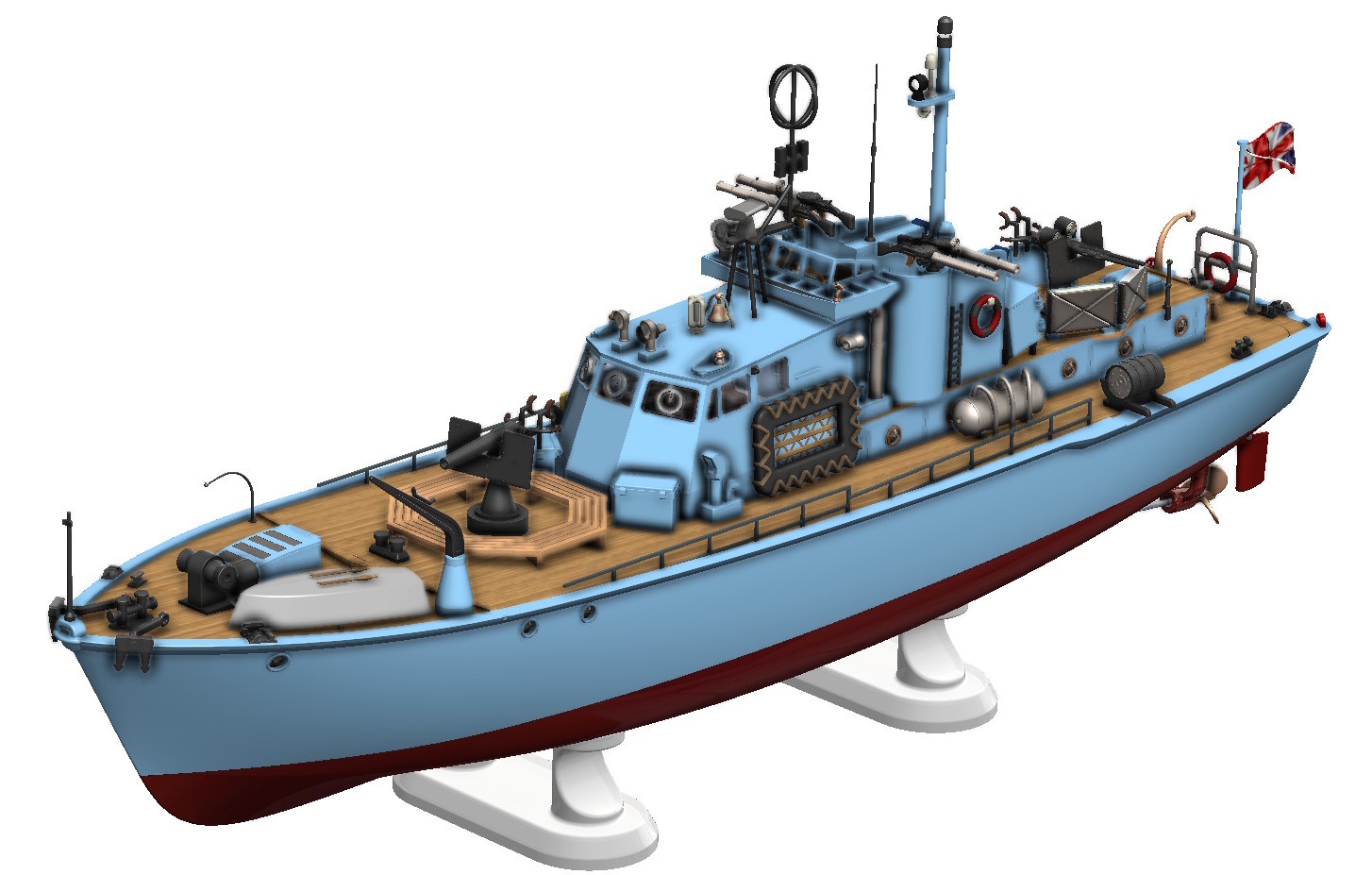
Building the Little Boat That Held the Line, Now at 1:26 Scale and RC-Ready
There are warships that win battles, and then there are the vessels that make winning possible. The Harbour Defence Motor Launch belongs firmly in the second category — a small, purposeful, unglamorous wooden workhorse that kept Allied harbours, anchorages, and coastal waters safe throughout the Second World War without ever seeking glory or recognition. It was never the fastest boat in the fleet, never the most heavily armed, and never the one the newspapers wrote about. But remove it from the picture and the entire logistical backbone of Allied naval operations becomes significantly more vulnerable. The HDML was, in the truest sense, essential.
Continue reading for the full story, or head straight to our Cults3D listing to get the 1:26 scale RC-ready HDML model.
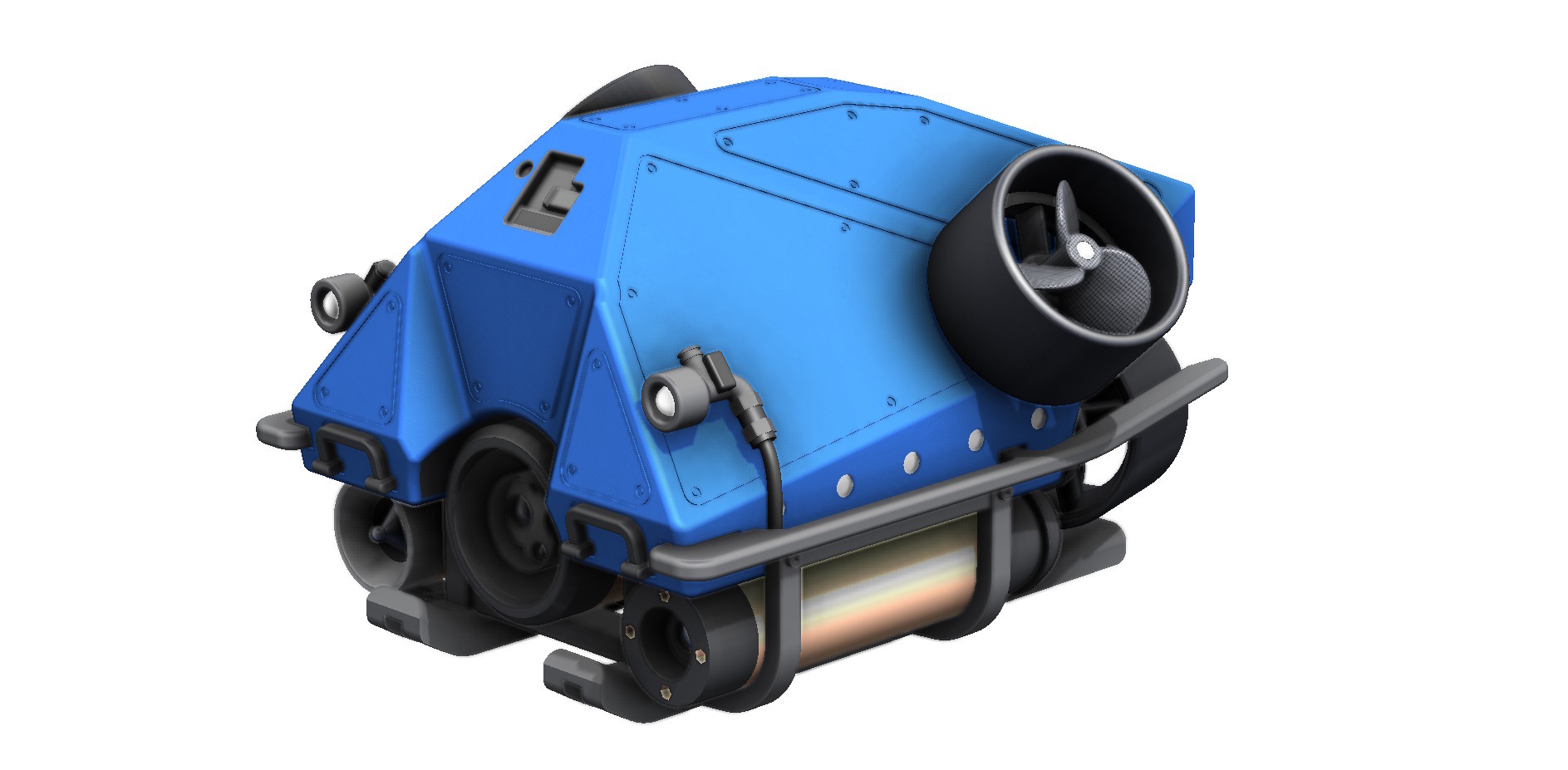
Resurrecting a Deep-Sea Explorer from 1986 as a 3D Printable Model
Bringing the Dawn of Remotely Operated Subsurface Exploration, True-to-Scale Mechanical Details, and a Custom-Convertible Architecture Straight to Your Workshop Bench.
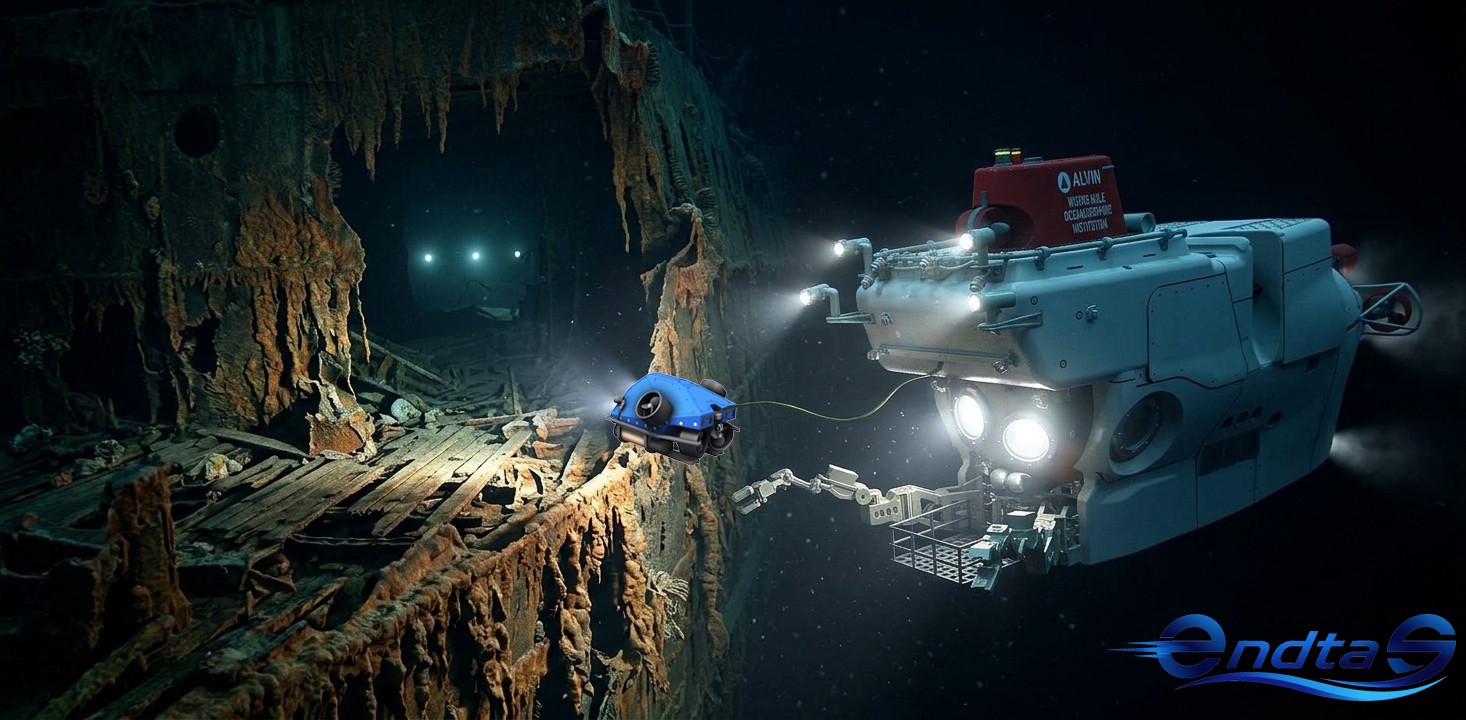
Few tools in the history of oceanography command the same level of reverence as Jason Jr. (JJ). Operated by the Woods Hole Oceanographic Institution (WHOI) during the historic 1986 expedition, this tiny, tethered remotely operated vehicle served as the eyes of humanity inside the RMS Titanic wreckage. While the manned submersible DSV Alvin sat safely outside, it was Jason Jr. that bravely braved the dark, collapsing corridors of the Grand Staircase, capturing the haunting, iconic close-up footage that stunned the world.
Bringing the Dawn of Subsurface Engineering, Articulated Mechanical Details, and an RC-Ready Core Straight to Your Desktop Workshop.
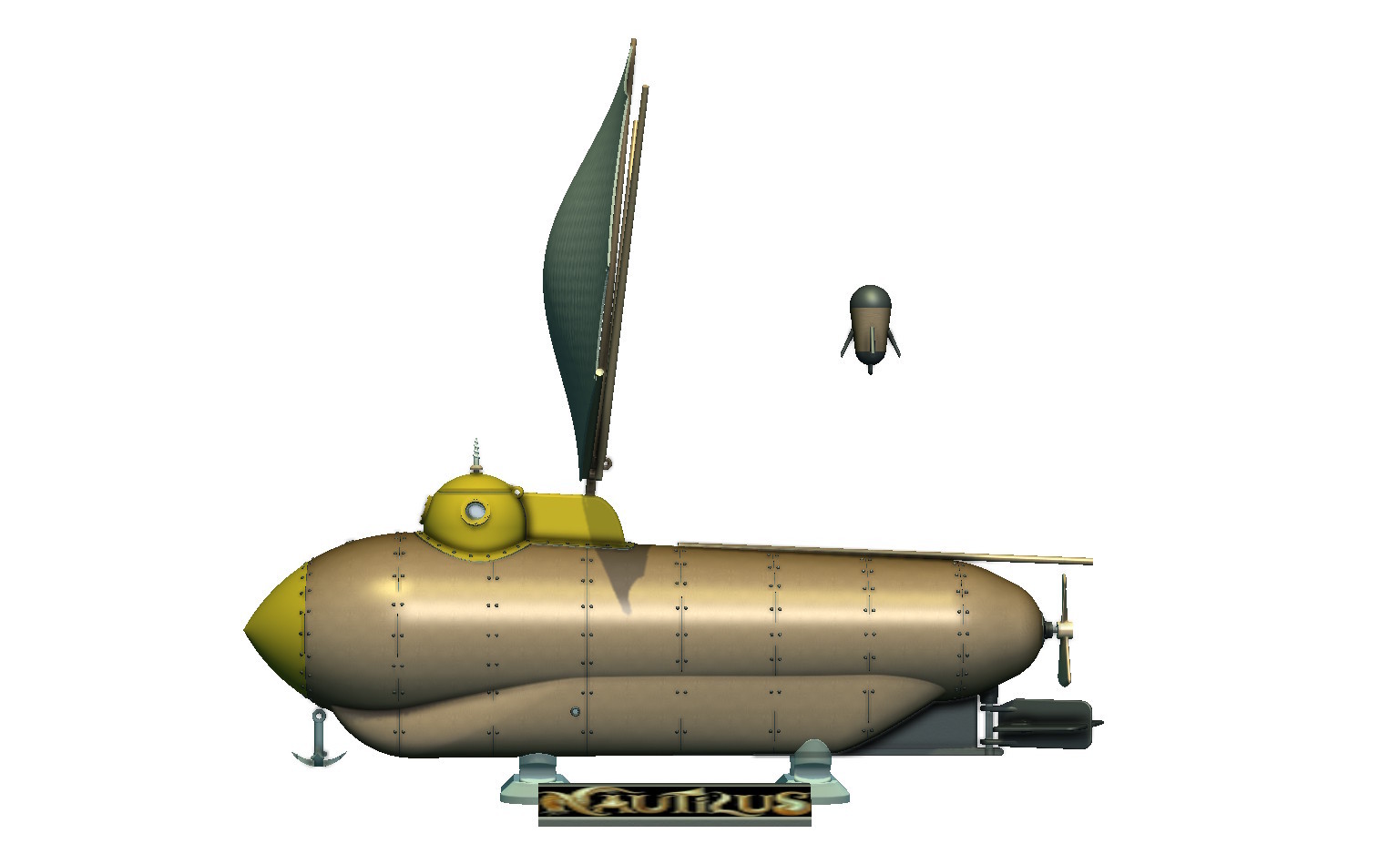
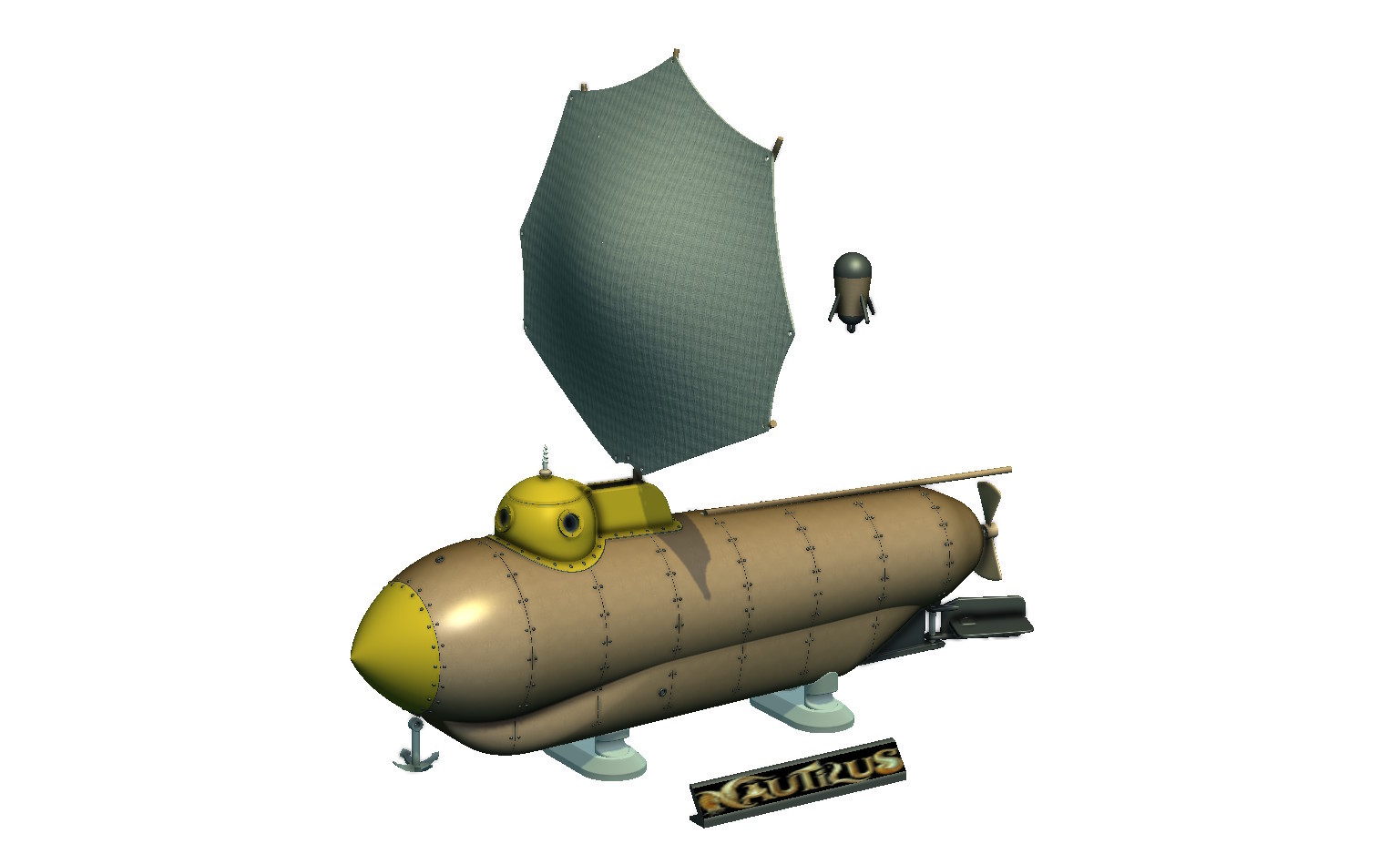
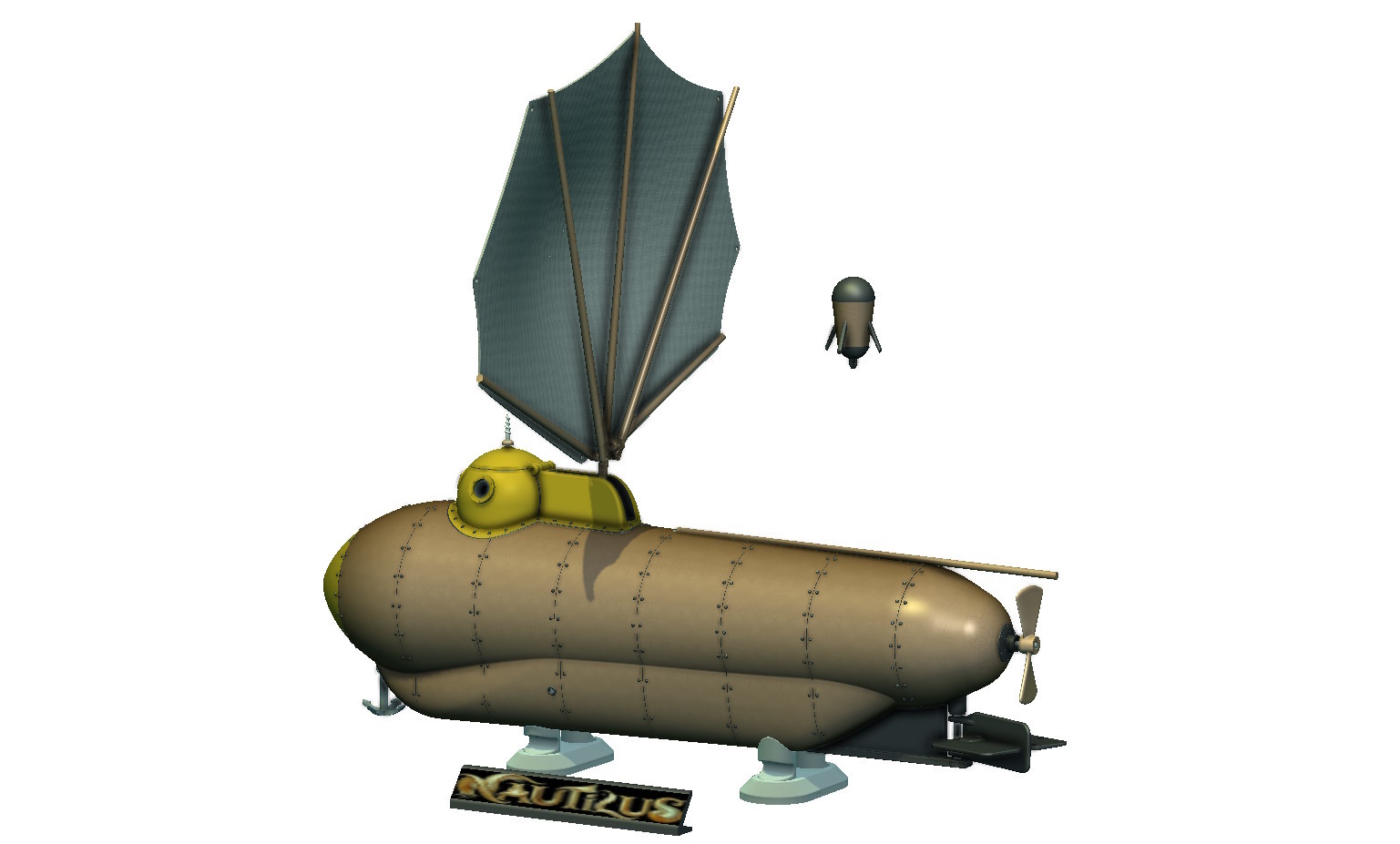
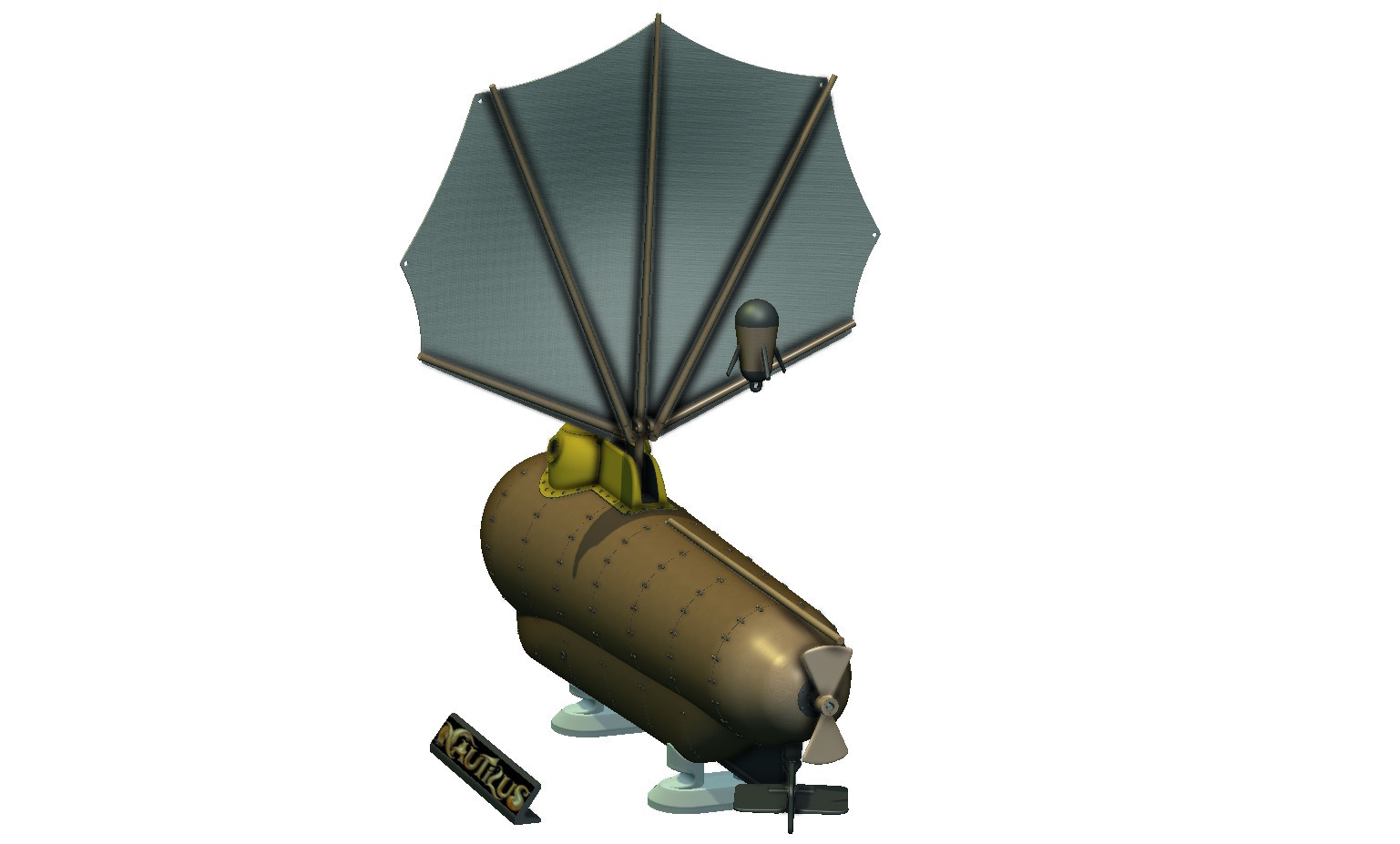
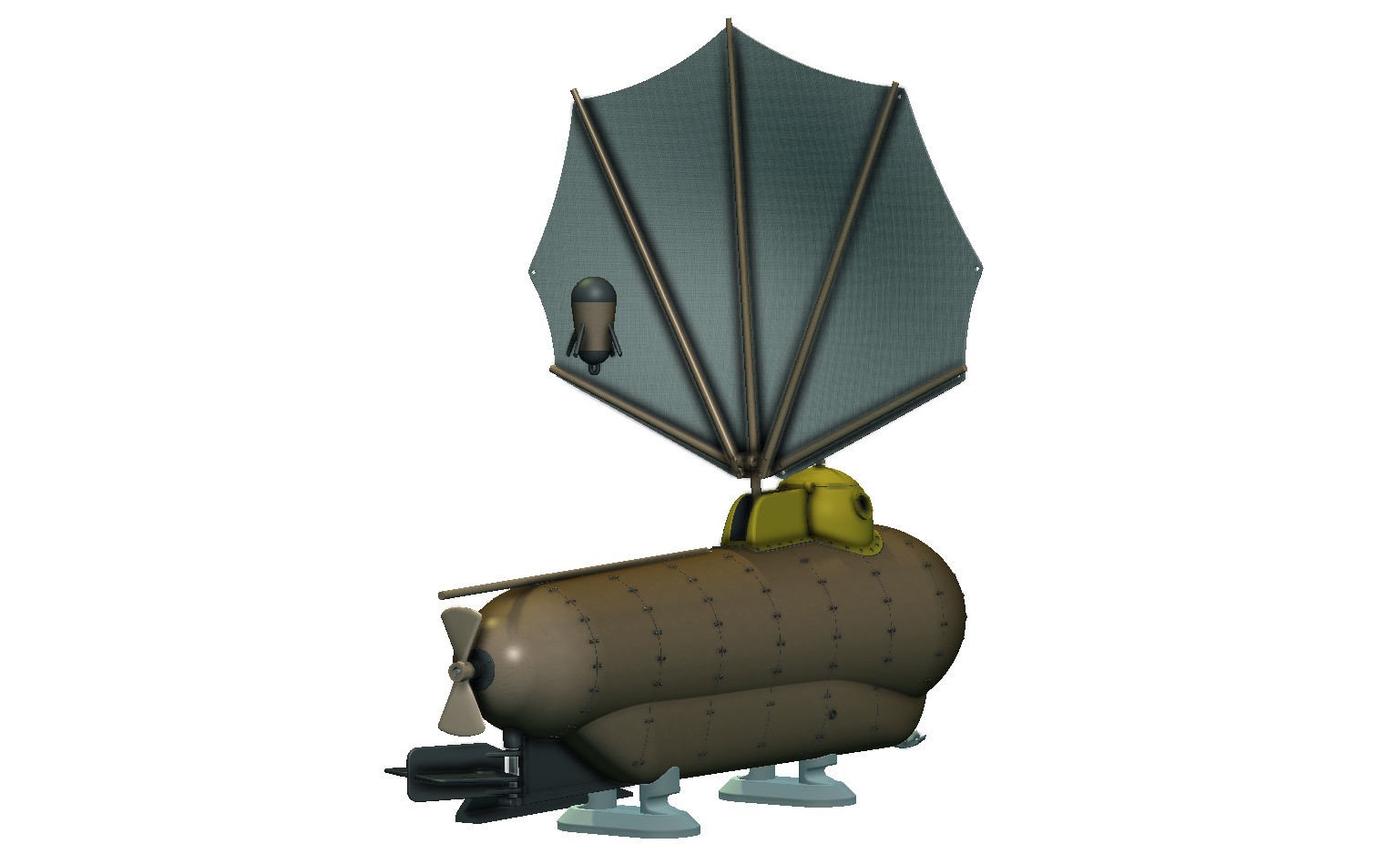
Before massive steel hulls and nuclear reactors ruled the deep, there was a copper-clad dream conceived in Paris and built on the banks of the Seine. Robert Fulton’s 1798 Nautilus stands as one of the most daring milestones in maritime engineering. Initially commissioned under the French Directory, this pioneering vessel proved that underwater navigation was not just science fiction but a functional, strategic reality. Today, the 1798 Nautilus-Inspired Submersible Kit is officially live on our studio store! You can now explore the entire file matrix, review the assembly layout, and secure your digital download directly via our Cults3D portal.
Continue reading for more info about the hand-cranked terror of the Seine
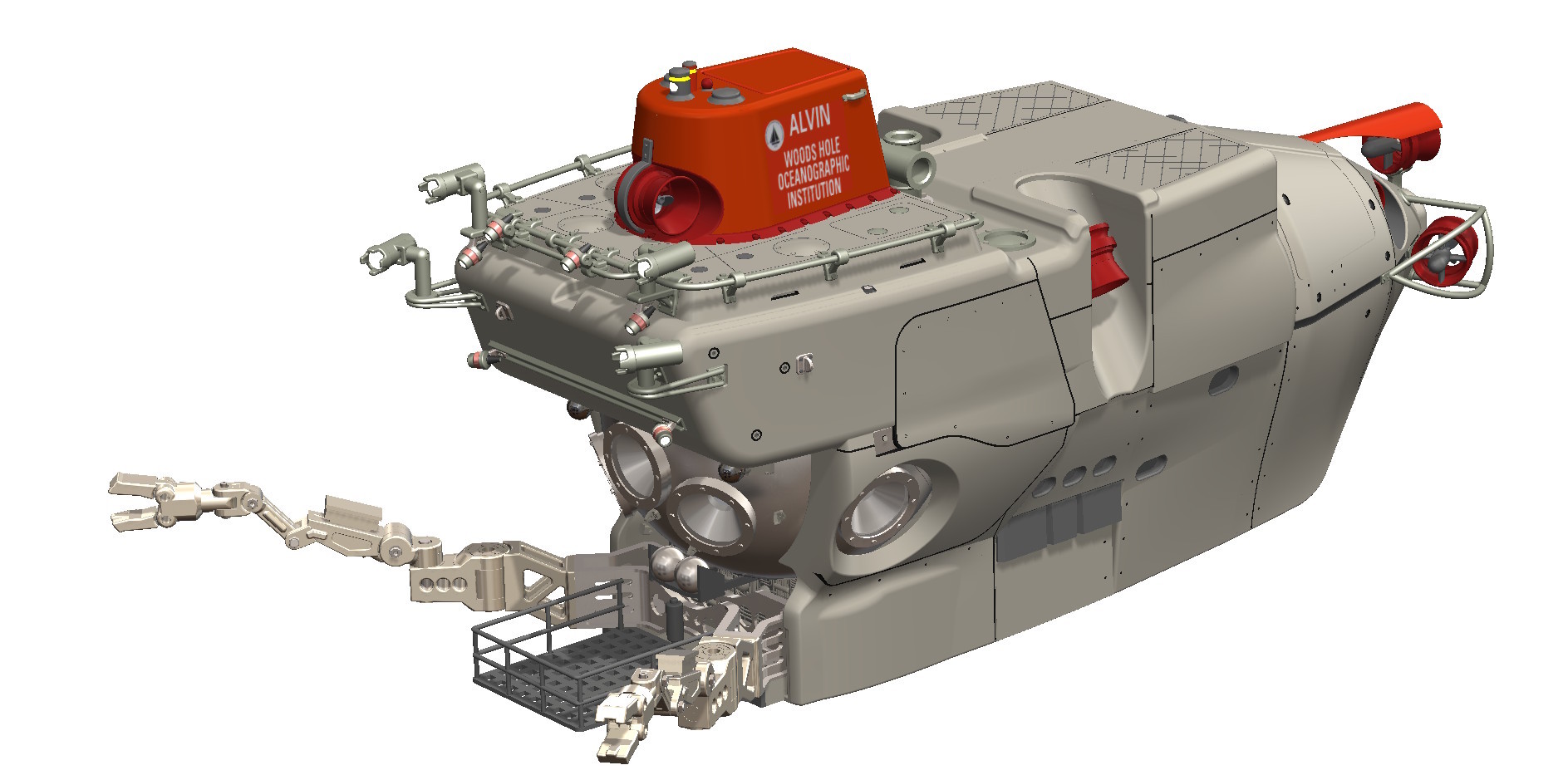
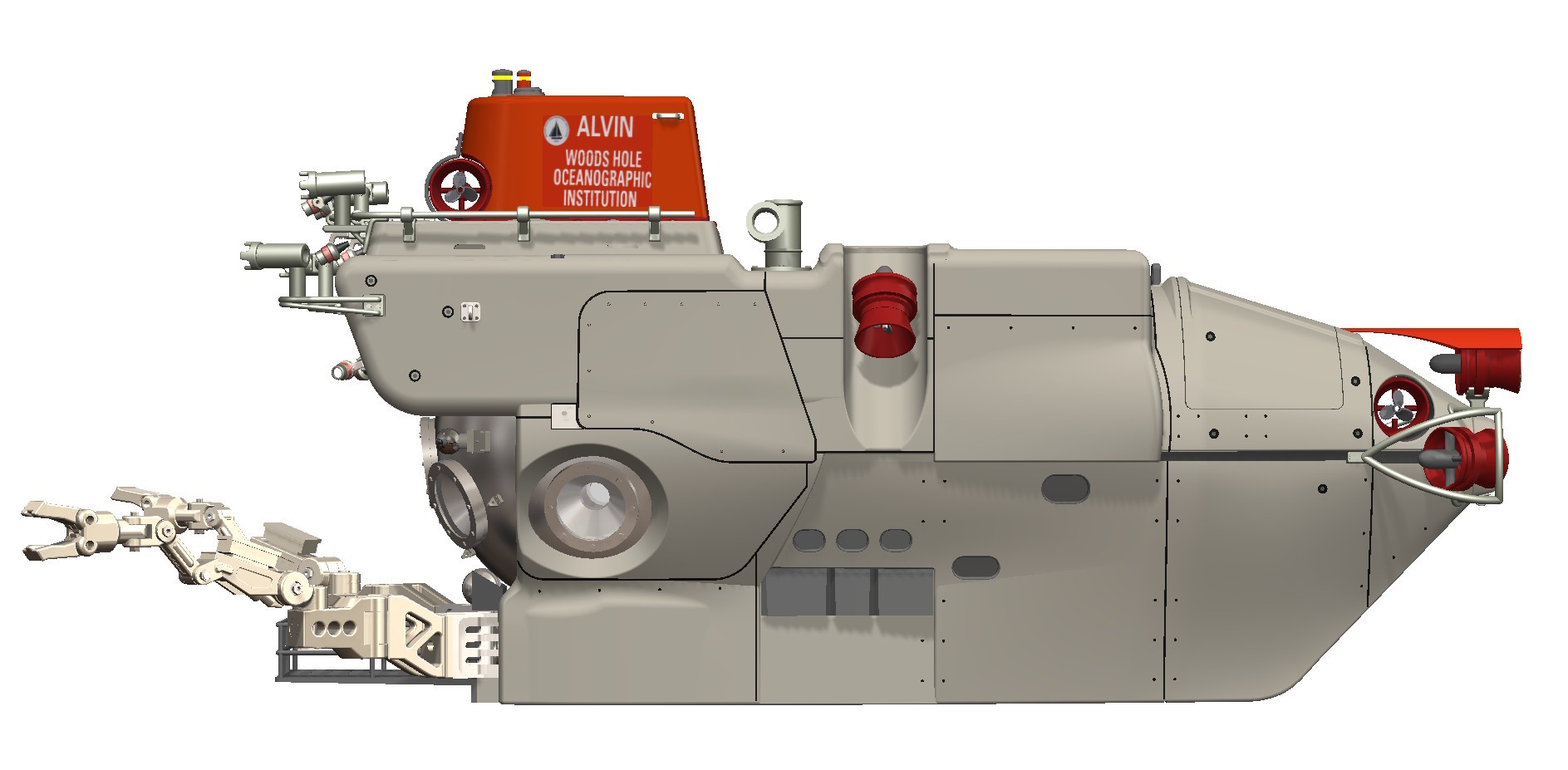
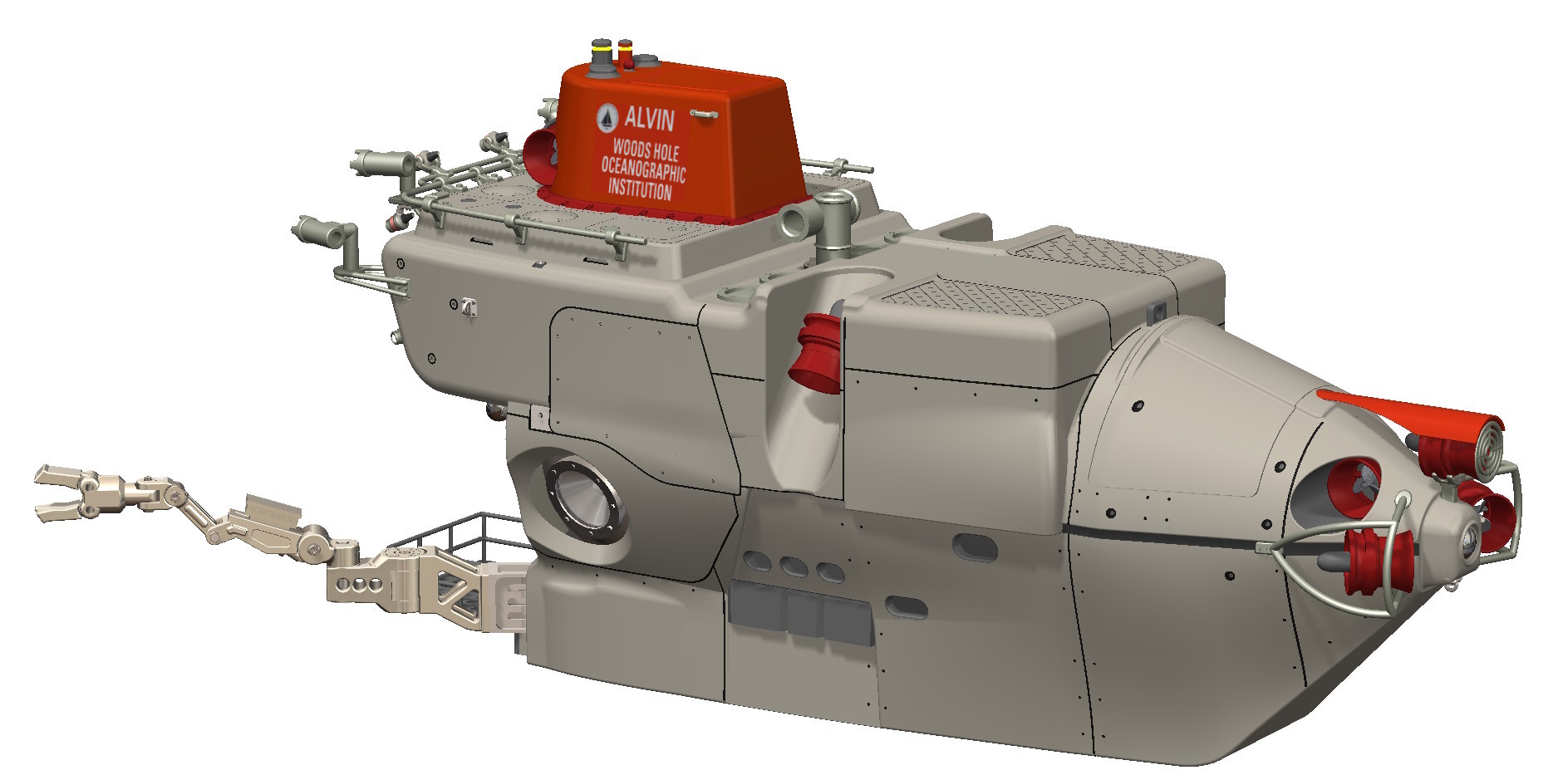
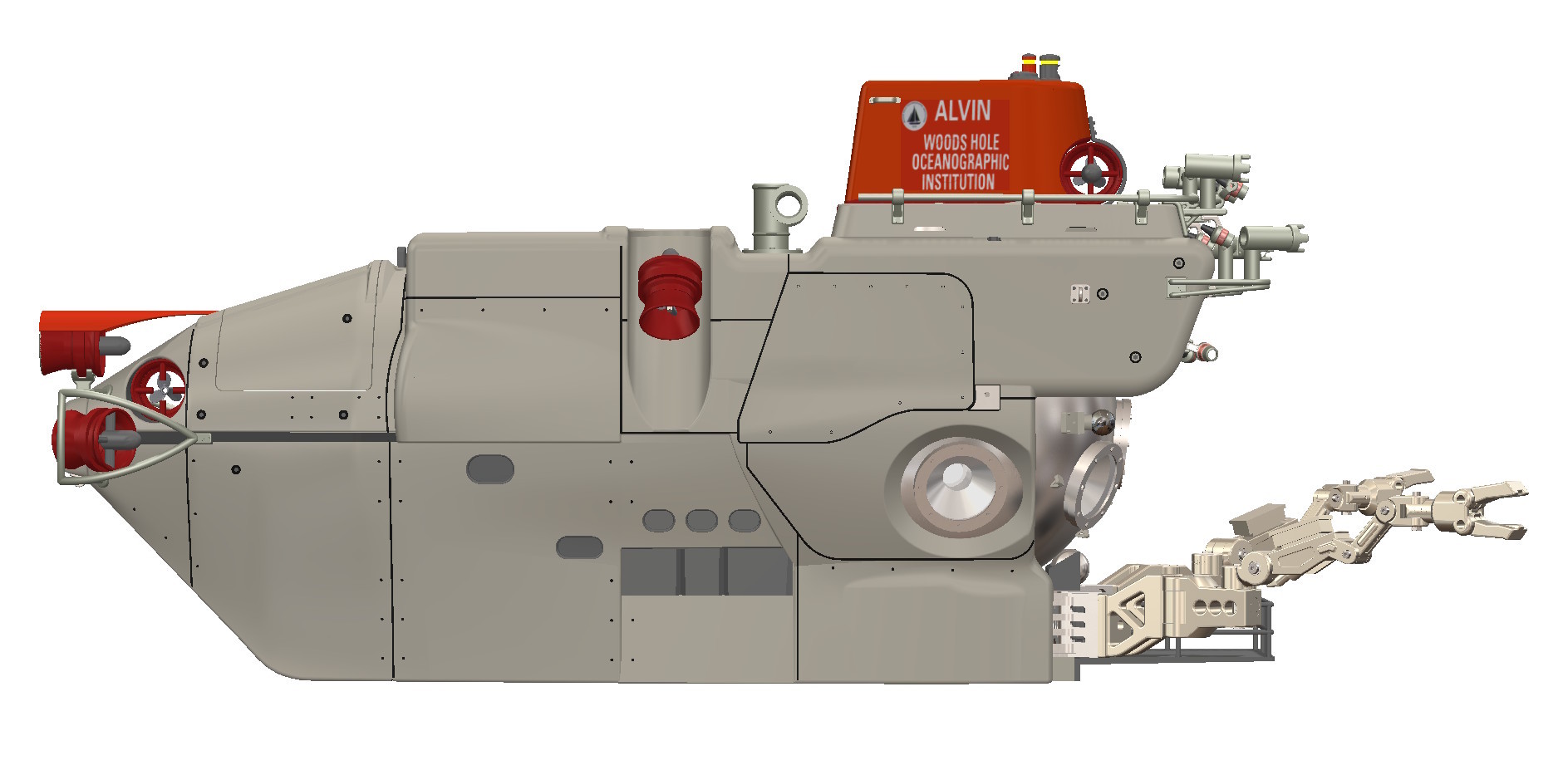
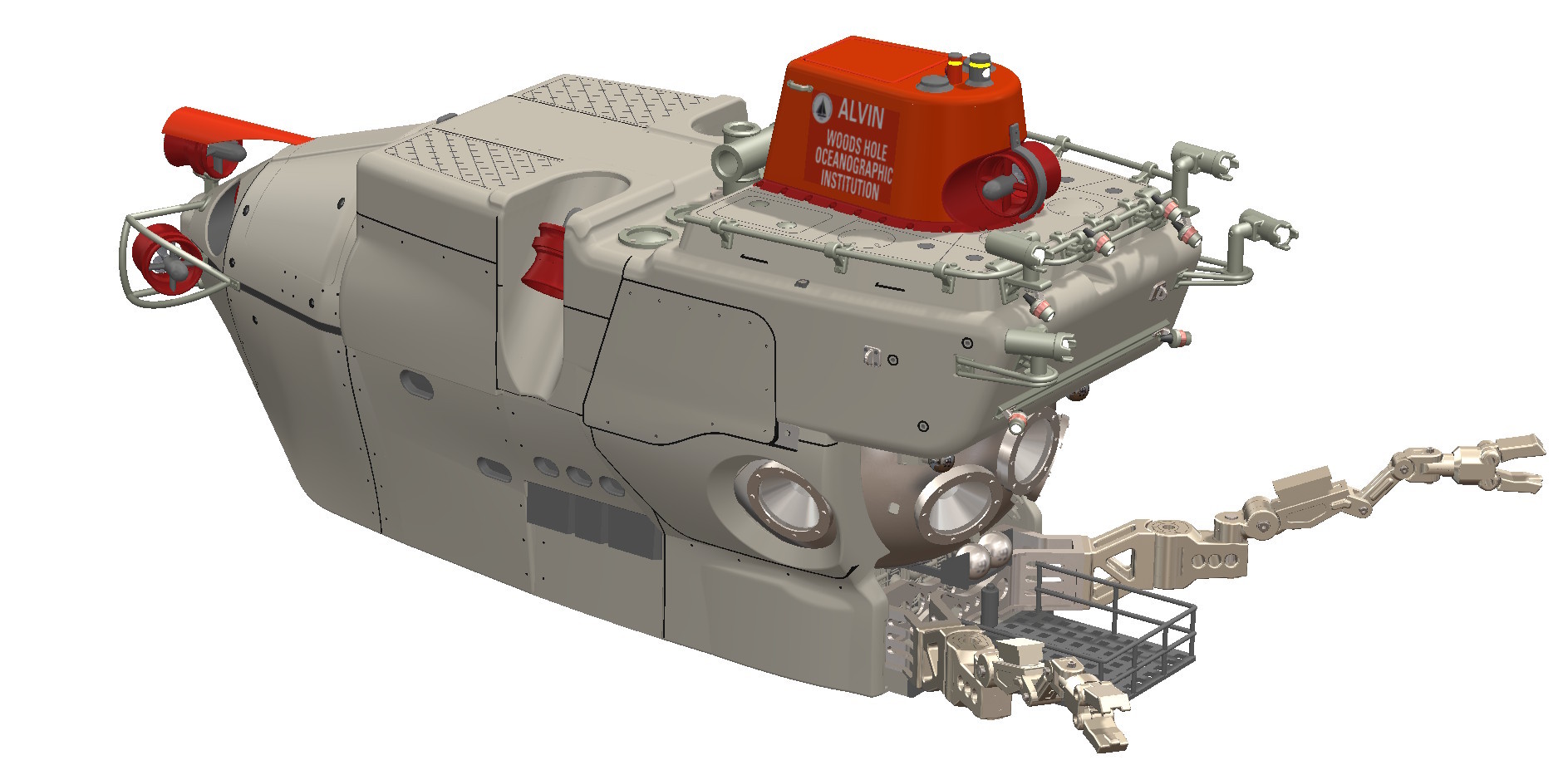
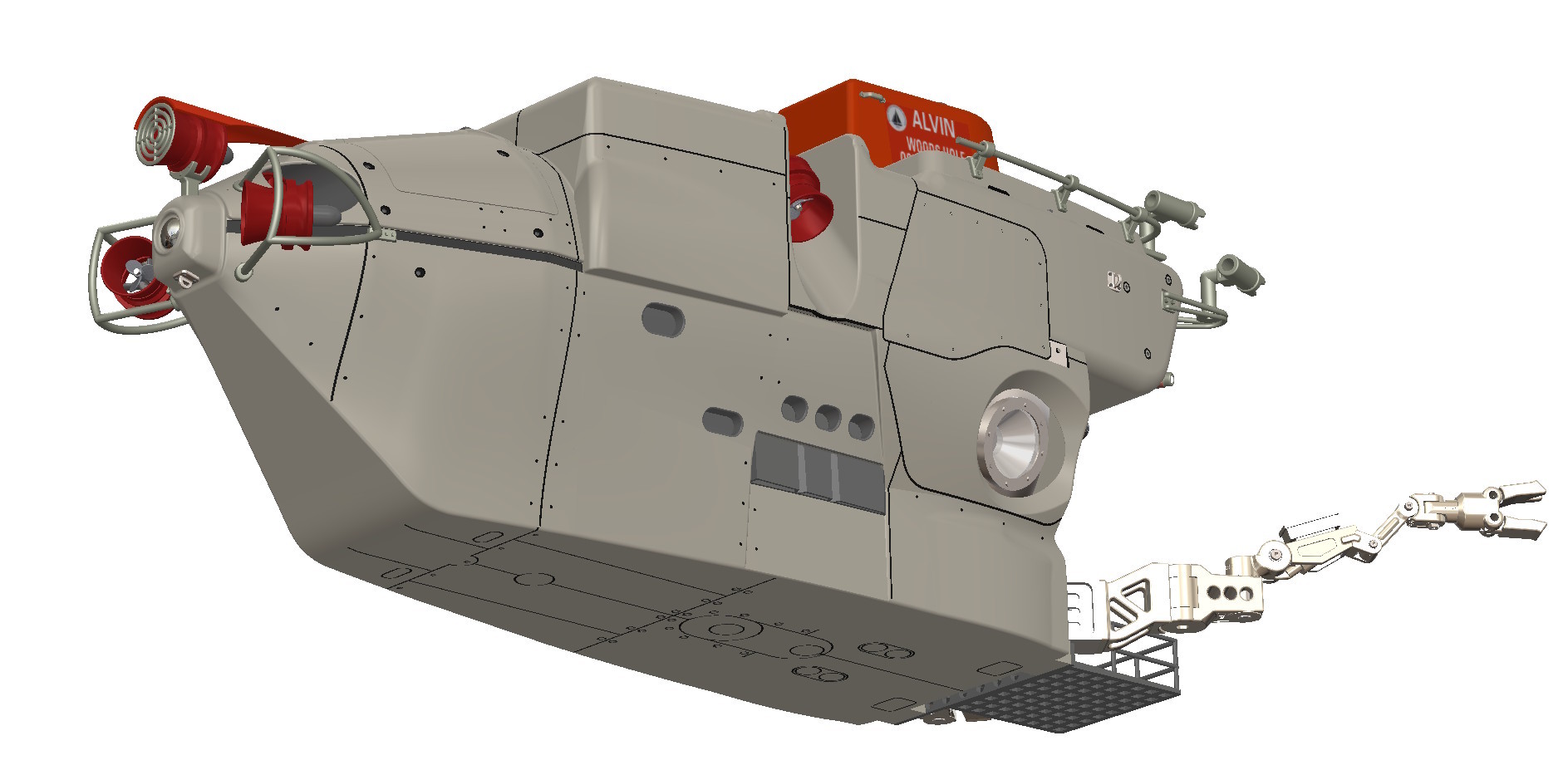
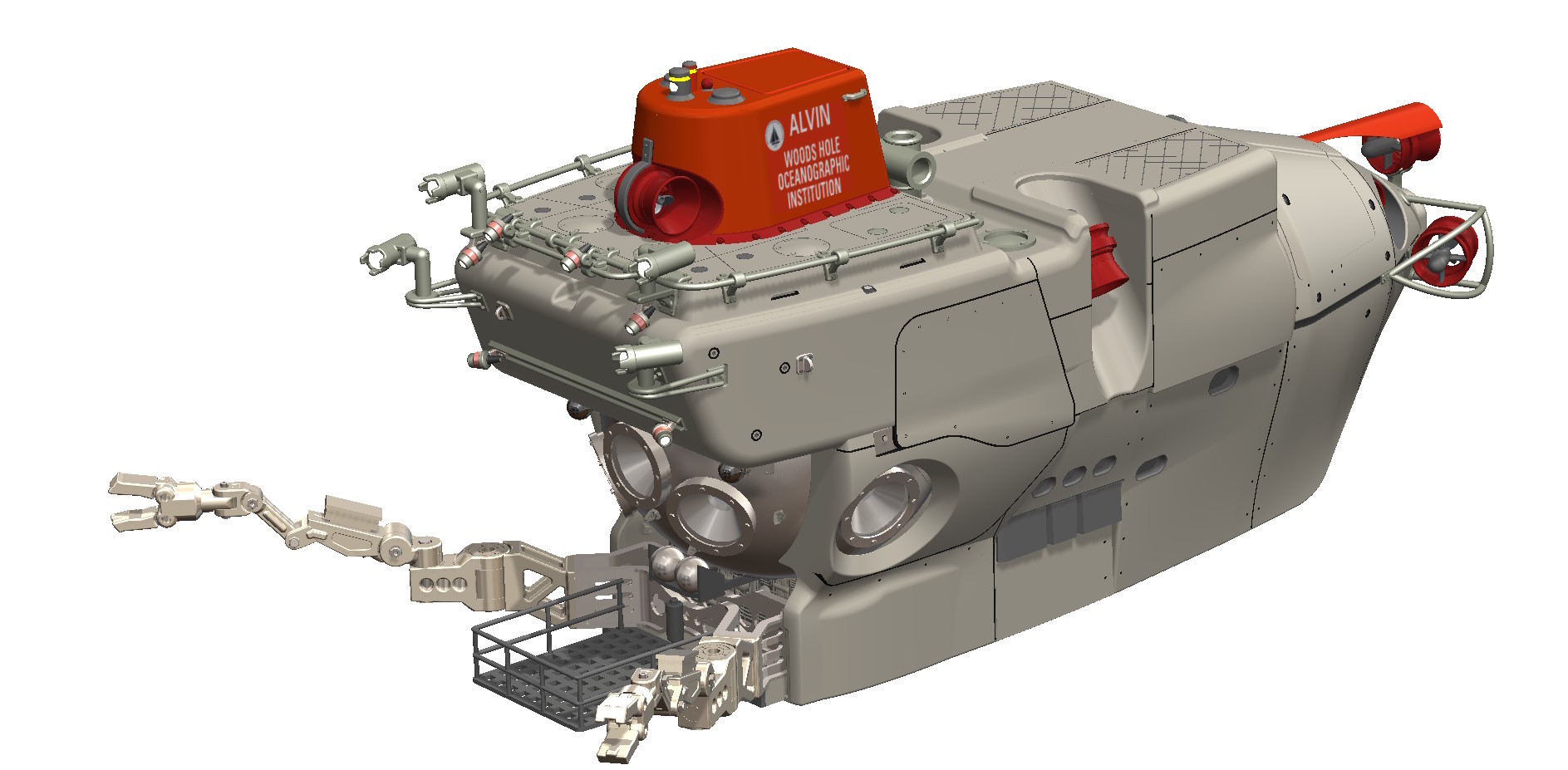
Resurrecting an Ocean Pioneer: 1:12 3d printable model with multiple versions (1989–Present)
Bringing Decades of Deep-Sea Exploration, Included Manipulator Arms, and Clandestinely Optimized RC Hydrodynamics Straight to Your Workshop Bench.
Few vessels in maritime history command the same level of reverence as the Deep Submergence Vehicle (DSV) Alvin. Operated by the Woods Hole Oceanographic Institution (WHOI), this legendary deep-ocean voyager has spent over sixty years pushing the absolute boundaries of marine science. From its historic discovery of hydrothermal vents (black smokers) in the Galapagos Rift to its haunting, critical survey of the RMS Titanic wreckage in 1986, Alvin is a true symbol of human curiosity and industrial grit.
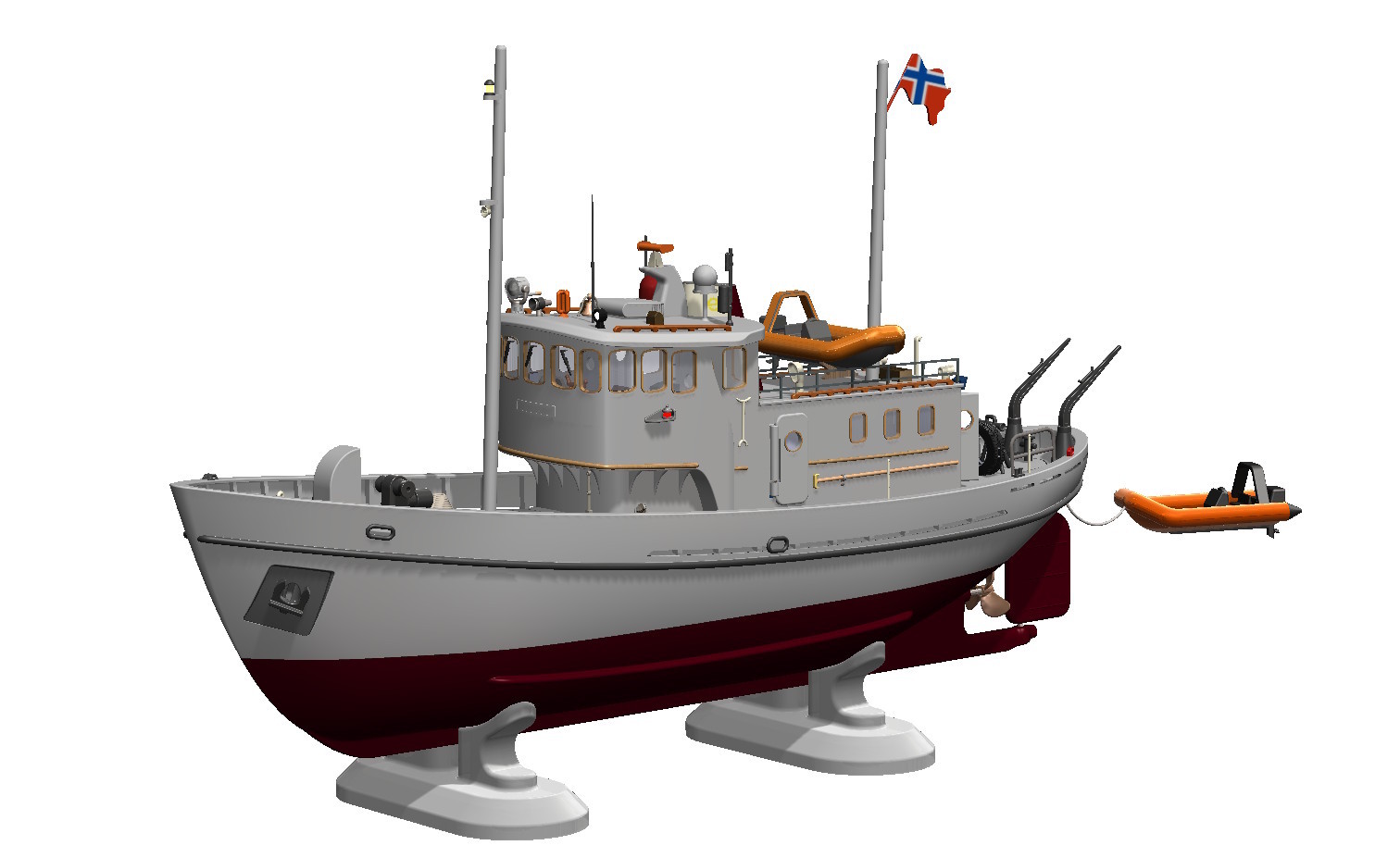
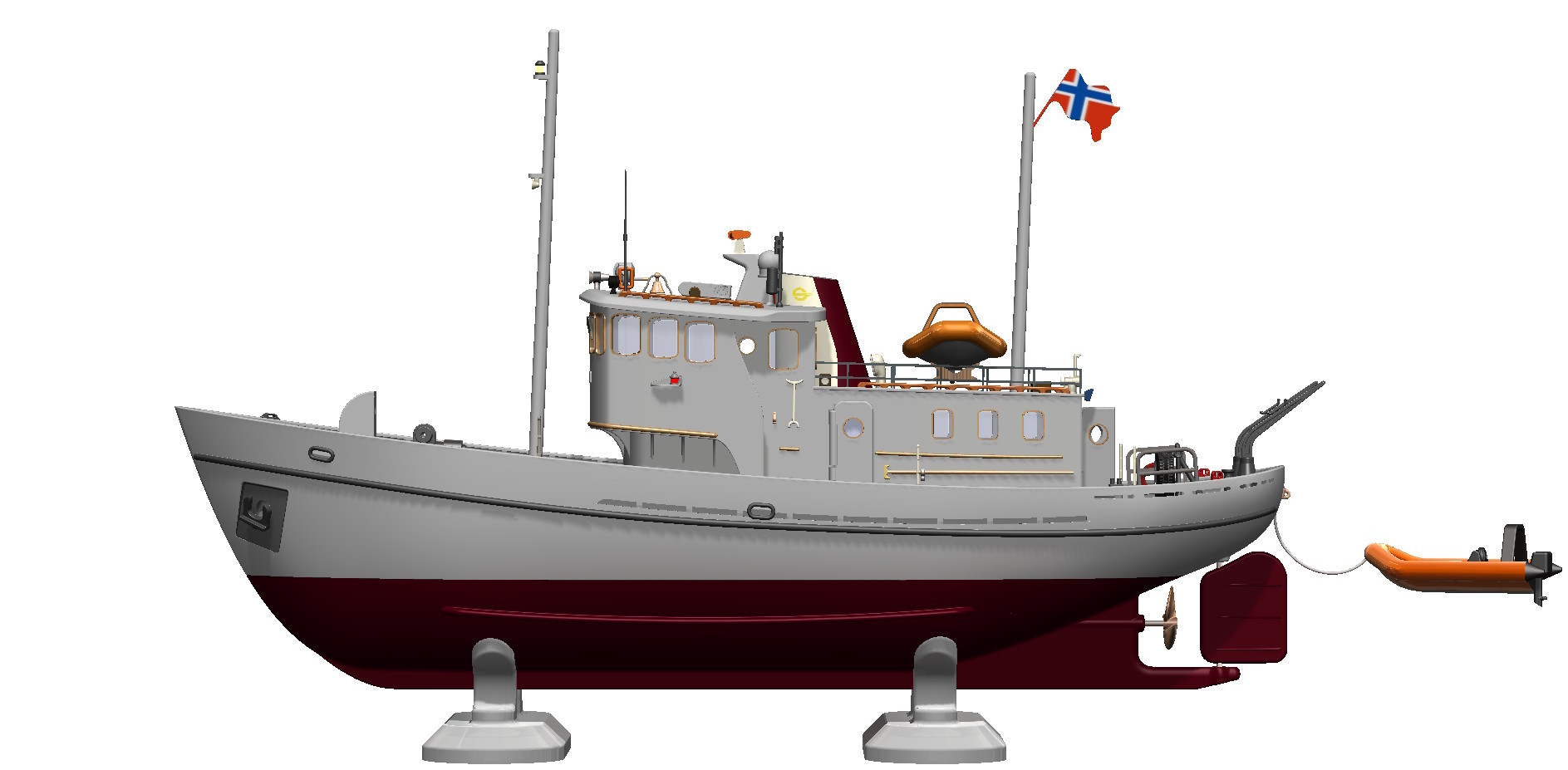
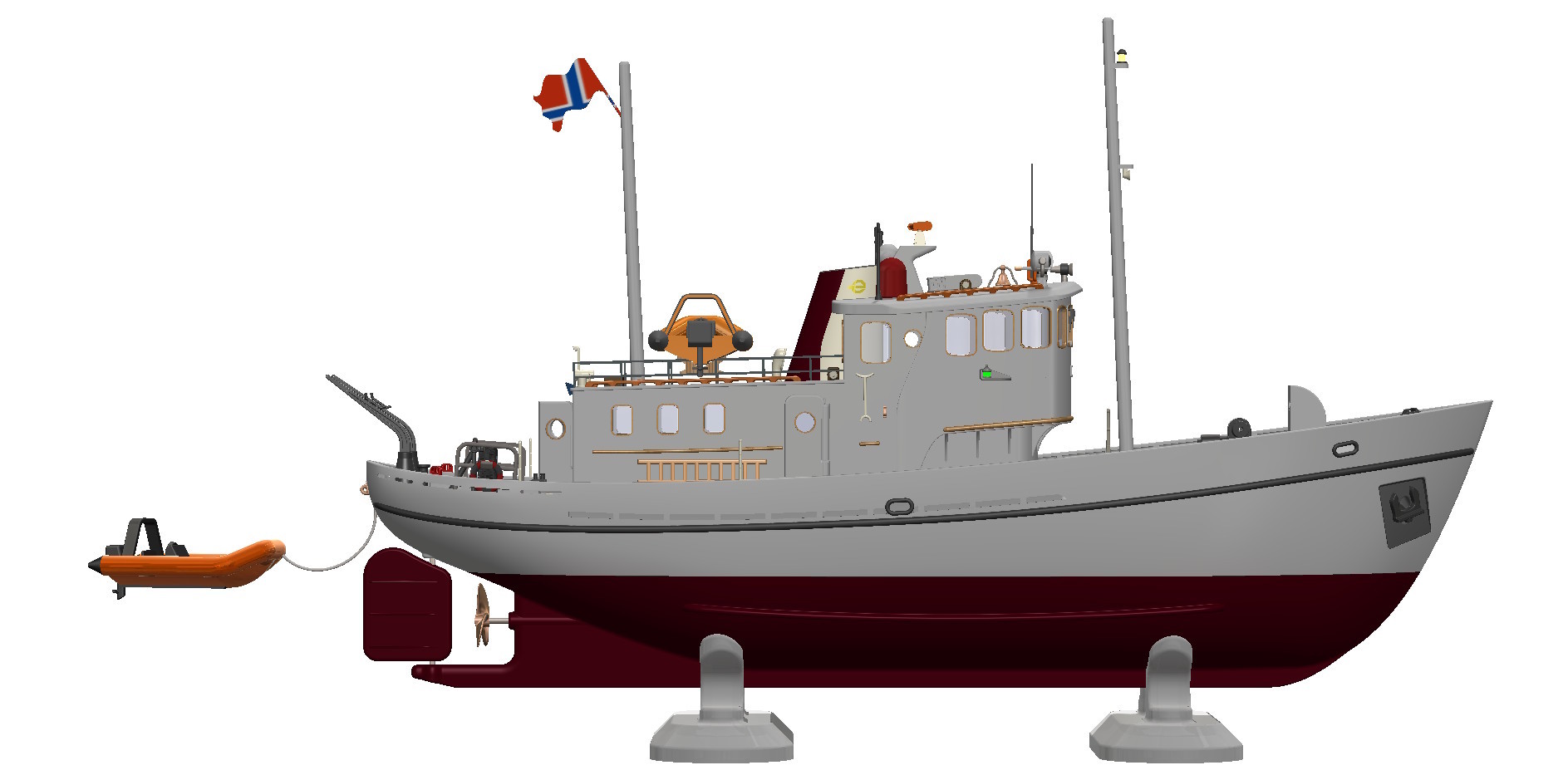
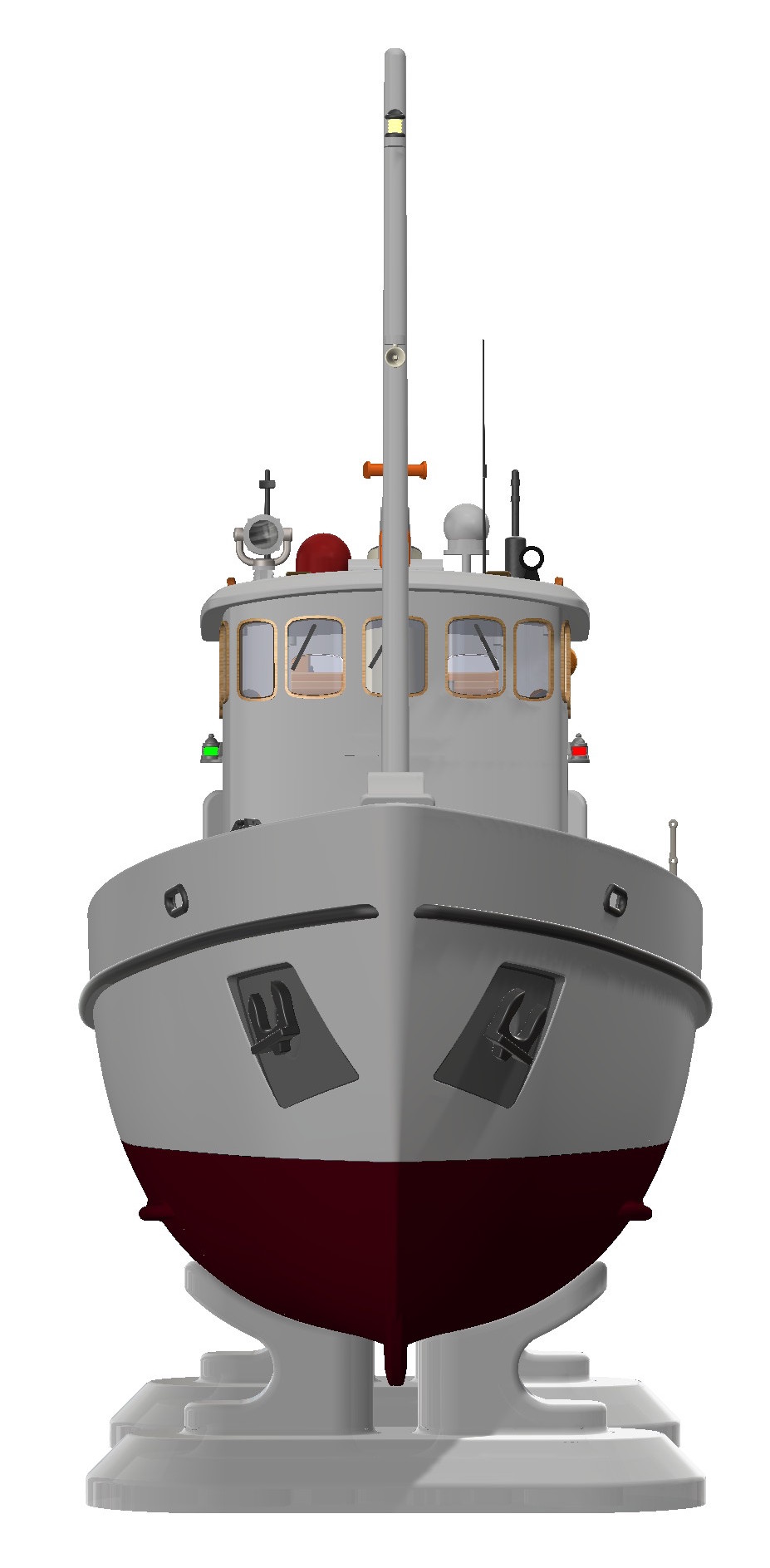
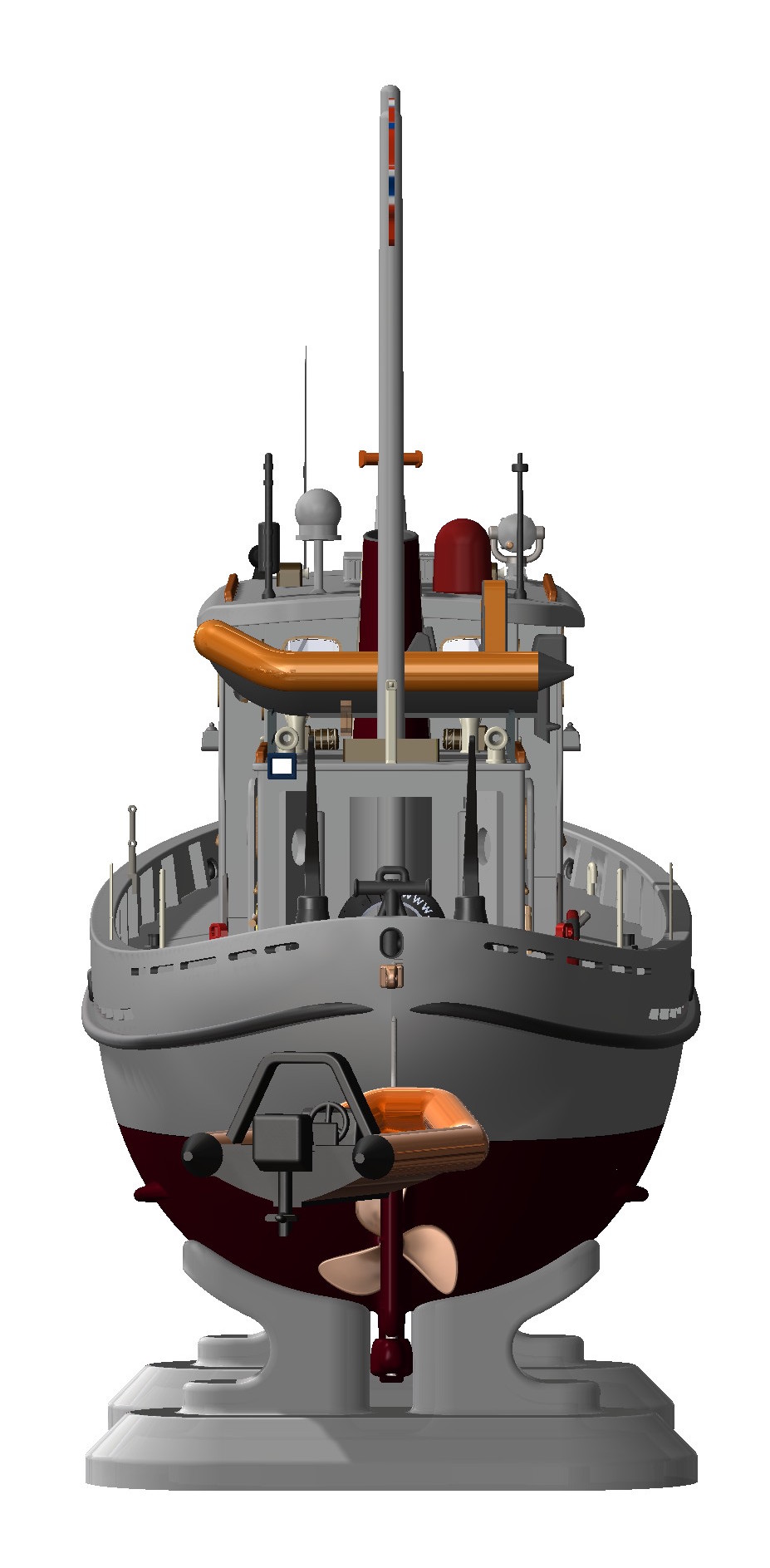
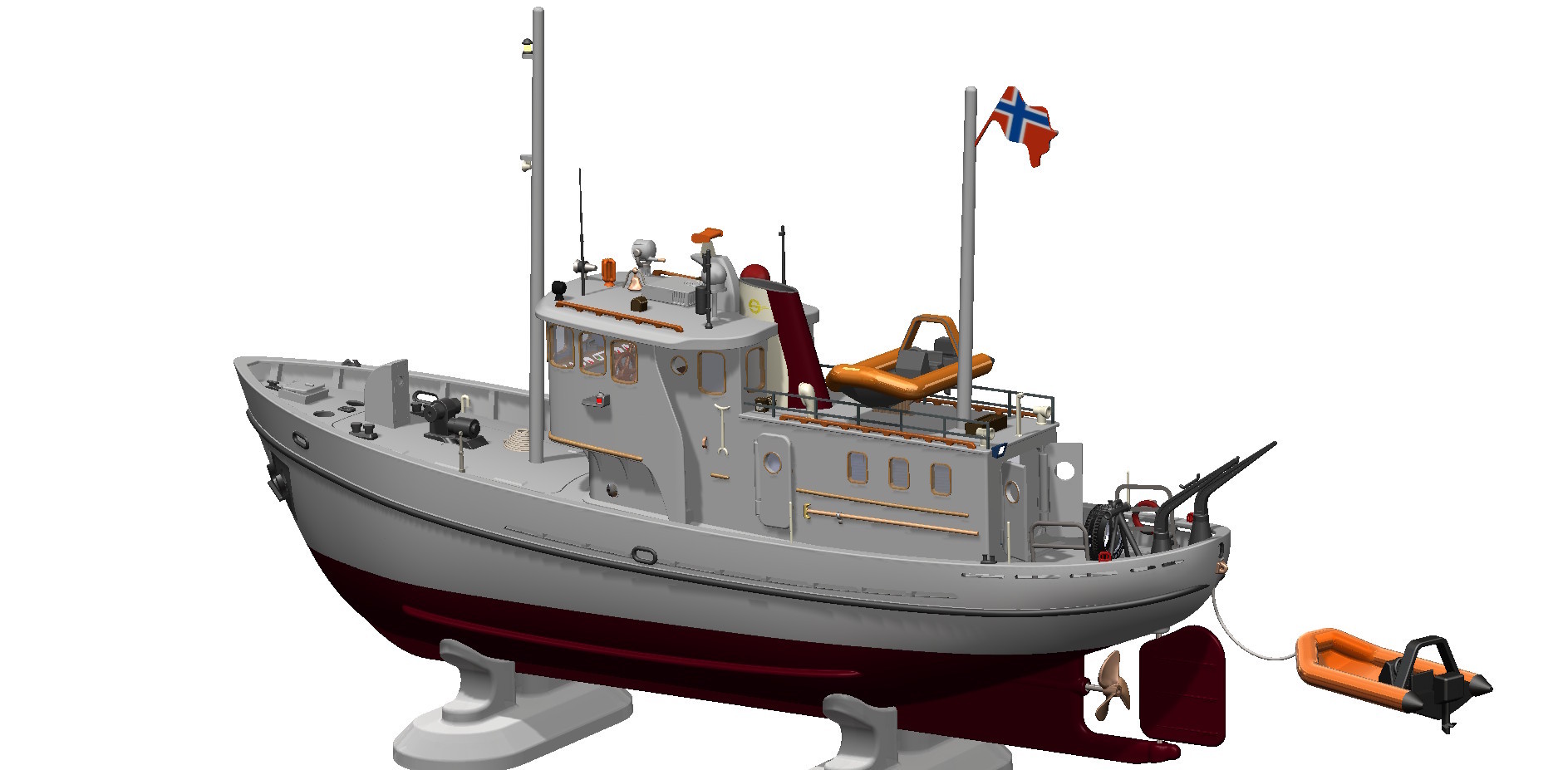
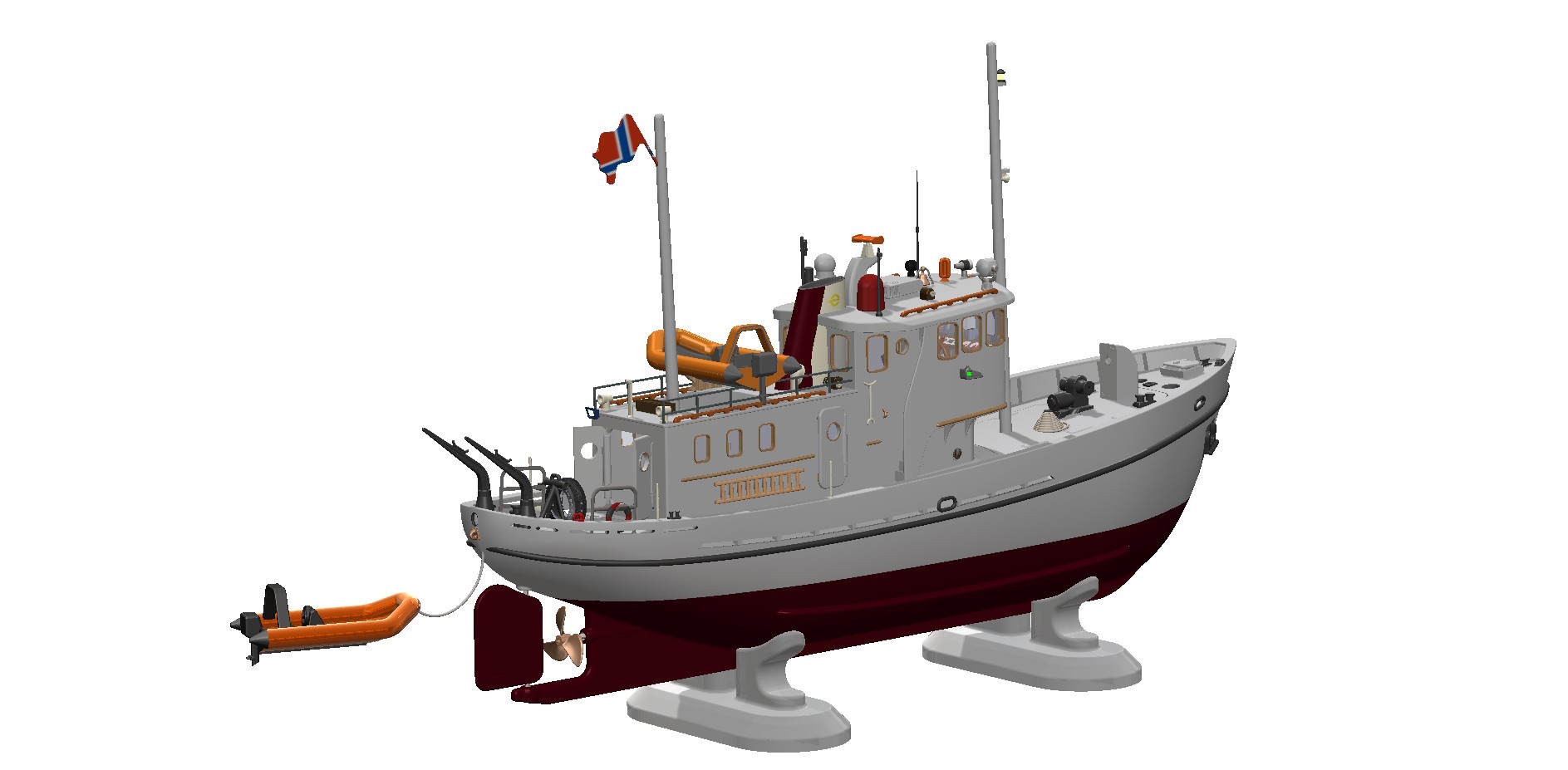
RS 58 “Sørlandsskøyta”: Recreated as an RC-Ready 3D Printable Model
The history of maritime rescue is closely connected with the development of specialized vessels capable of operating in difficult coastal waters, often when ordinary boats could no longer safely do so. In Norway, this role has been carried out for more than a century by the Redningsselskapet, whose rescue boats have evolved alongside changes in boatbuilding technology, propulsion and the needs of coastal communities. Among the vessels from this period, RS 58 “Sørlandsskøyta” represents an important transition in Norwegian rescue-boat design. Launched in 1956 at Trosvik Verksted in Brevik, she was the first steel-hulled rescue boat in the Redningsselskapet’s fleet; after RS 58, steel became the standard hull material for the organization’s rescue boats. The vessel was designed by Rich. G. Furuholmen and entered operational service in 1956, remaining in service until 1987.
At 13 metres long, 4.03 metres wide and with a displacement of approximately 25 tonnes, Sørlandsskøyta was a relatively compact vessel, but she was designed for serious work. Her documented equipment included radar, direction-finding equipment, radio communication, a towing hook, hand-operated steering and anchor machinery, and a portable salvage pump. Her original engine was later replaced by a 170 hp General Motors diesel, giving the vessel a reported speed of approximately 9 knots. The boat’s working life extended over three decades and included service from Flekkefjord and Hvaler, followed later by service in Sør-Trøndelag before she was eventually used as a training and work vessel.
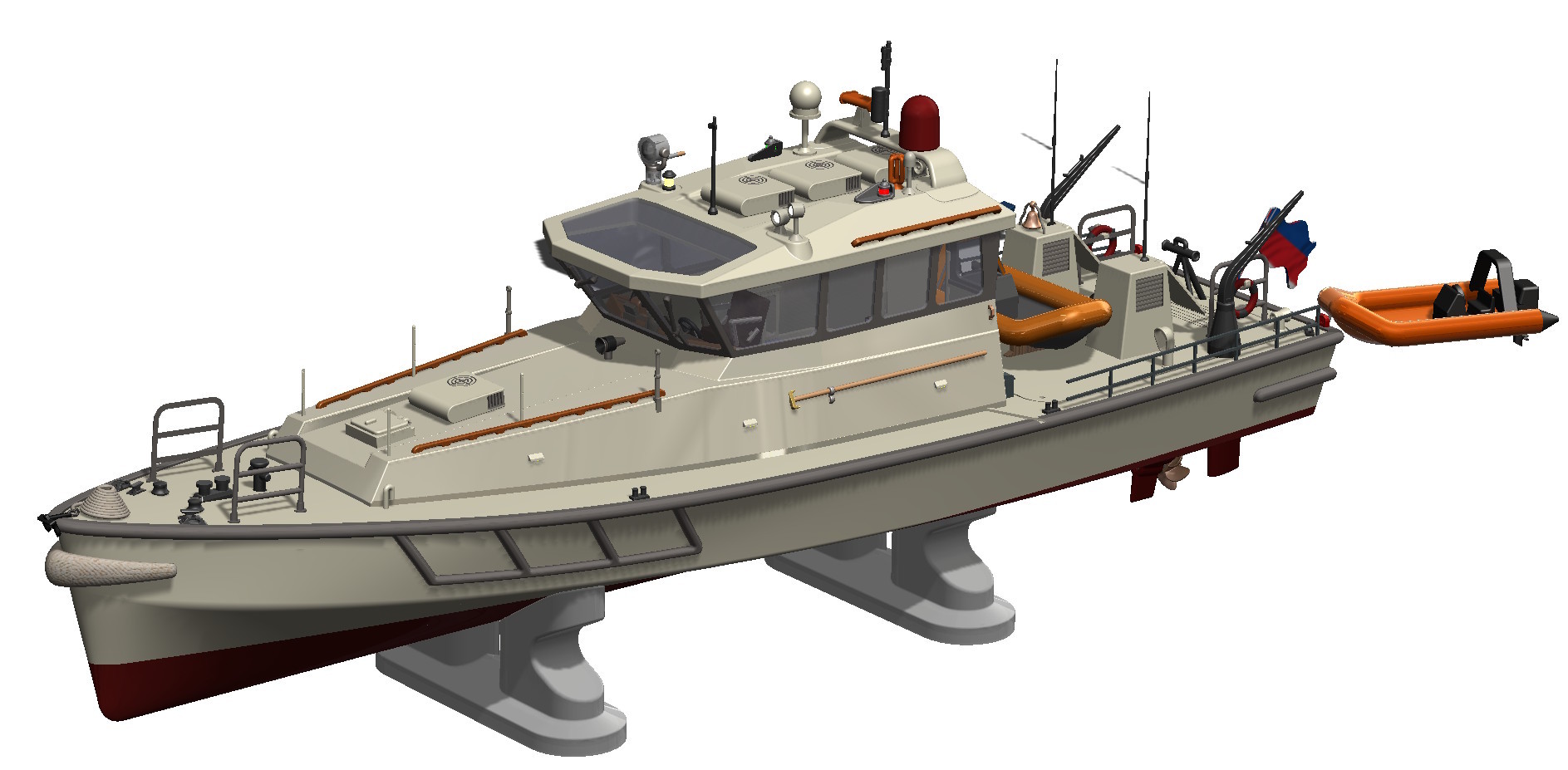
Pilot boats are among the most specialized vessels operating in and around commercial ports. Their primary task is to transport maritime pilots between shore and large vessels arriving at or departing from a port. The pilot boards a tanker, container ship, bulk carrier, cruise ship, or other large vessel and provides local navigational expertise, helping the ship safely negotiate approaches, channels, traffic, currents, and other local hazards. Although the pilot boat itself may be relatively small compared with the vessels it services, its operation is an essential part of the maritime transportation system. Pilot boats must be ready to make these transfers repeatedly, often around the clock and in weather conditions that would keep ordinary small craft in harbor.
From Cold War Depth Charges to Perfect Lake Sovereignty
There is a specific kind of magic that happens when you take a vessel designed to hunt Soviet submarines in the Atlantic and scale it down to rule your local pond.
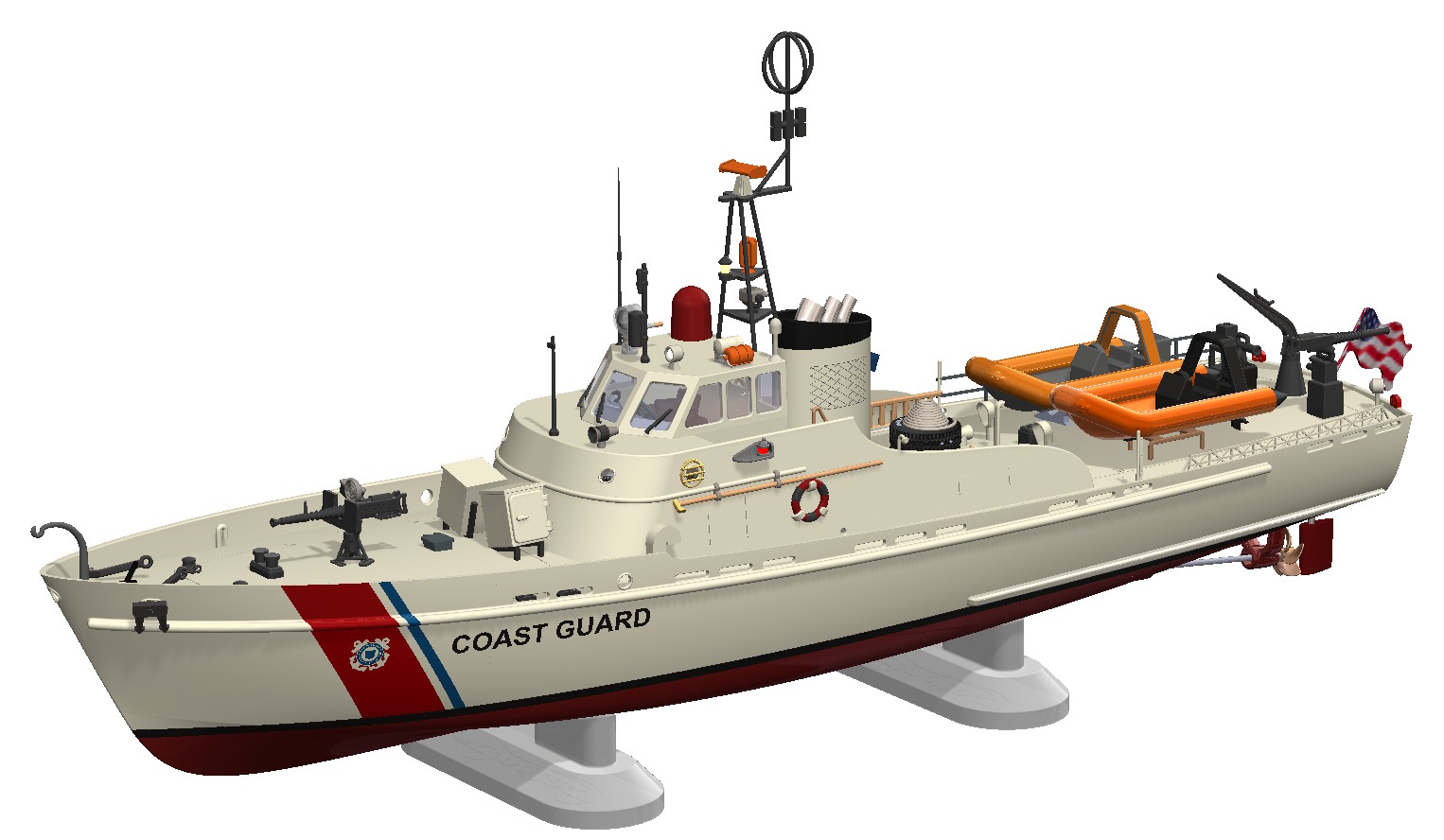
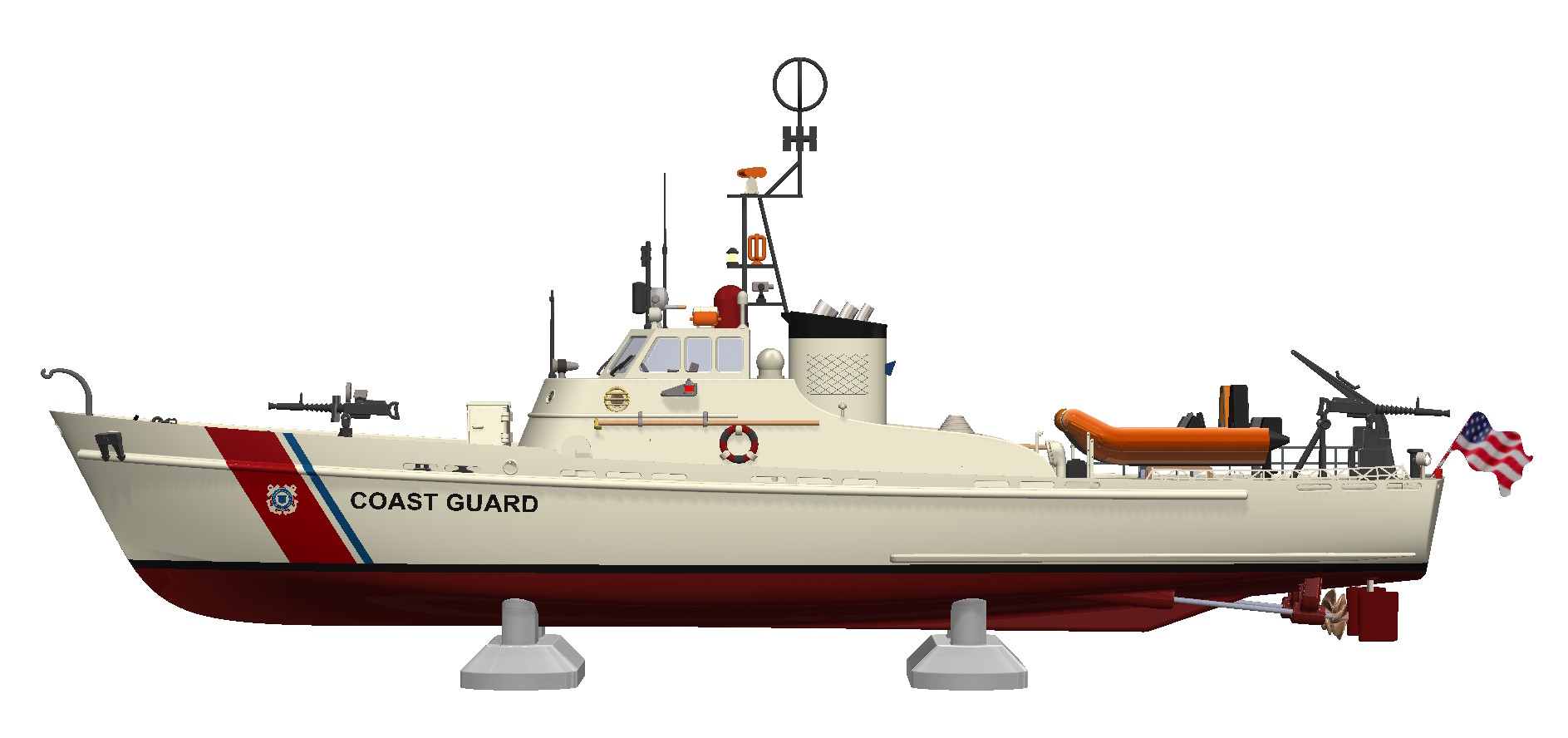
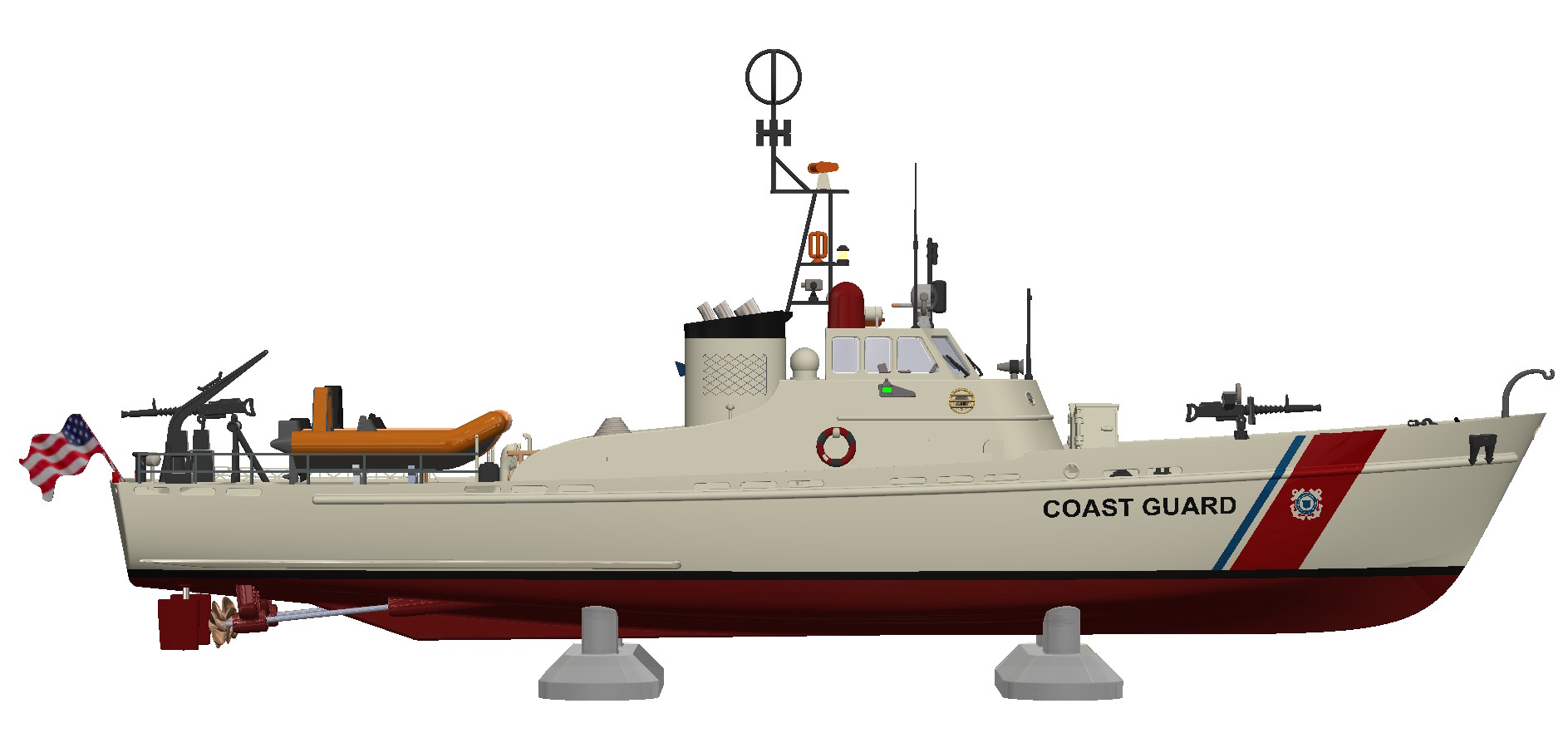
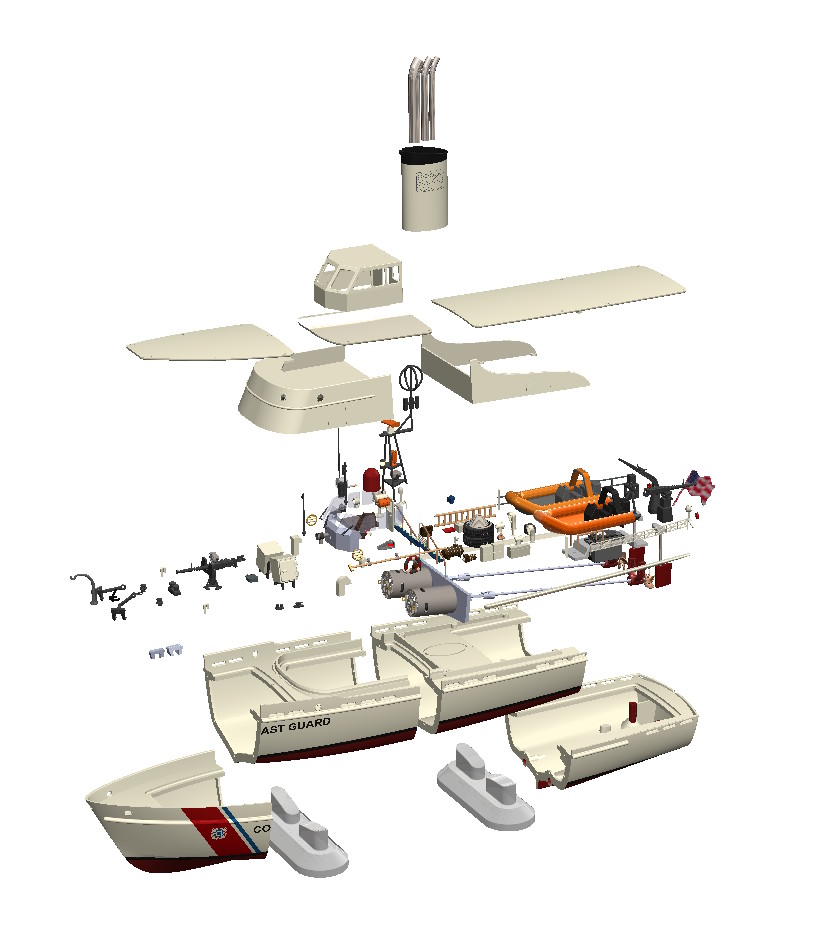
During the tense dawn of the Cold War, the United States Coast Guard realized it needed a very specific tool: a fast, rugged, shallow-draft cutter that could sprint into the waves, drop a pattern of anti-submarine ordnance, and survive brutal coastal weather. The answer was the 95-foot Cape-Class Patrol Boat.
With their distinct, angular aluminum superstructures sitting on unforgiving steel hulls, these cutters spent decades conducting critical search-and-rescue operations, drug interdiction, and maritime safety patrols. They were loud, they were tough, and they were utterly reliable.
An Accessible Art Deco Project From Norman Bel Geddes
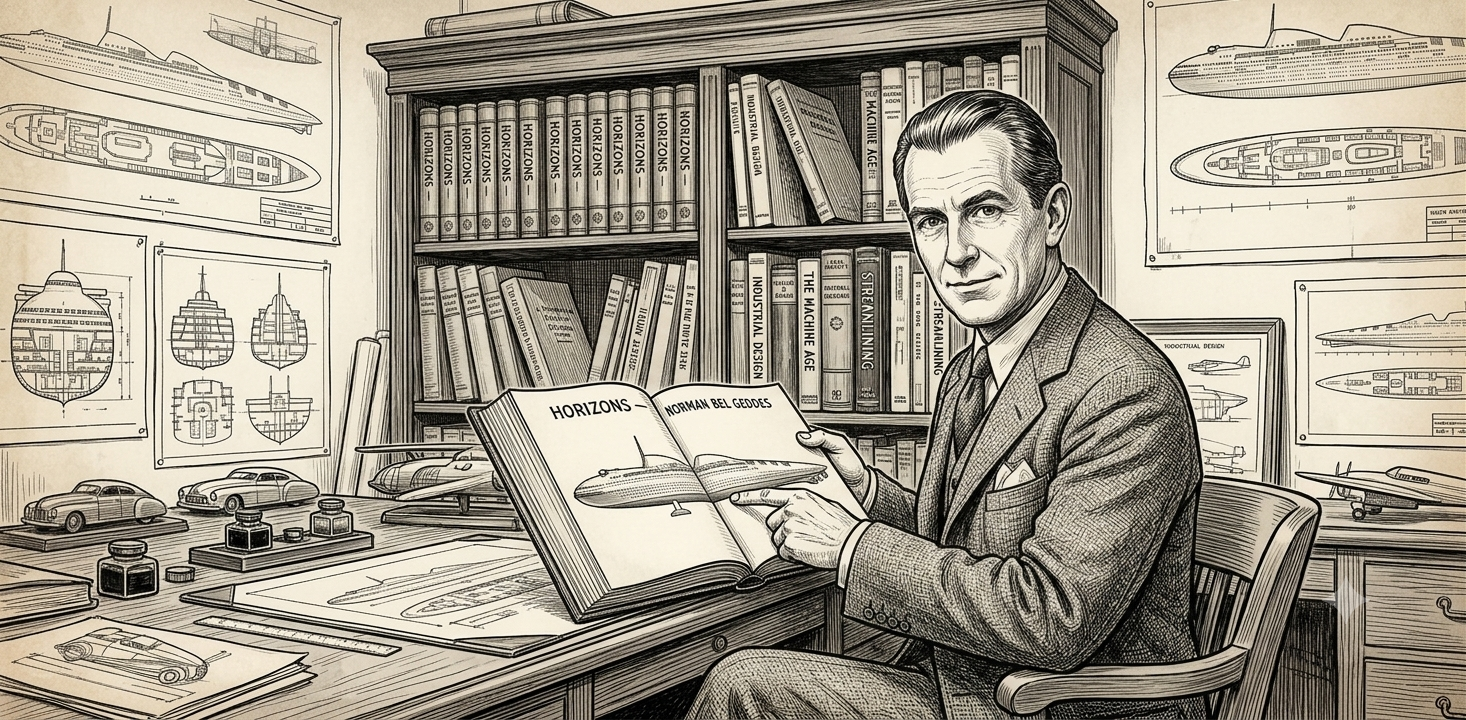
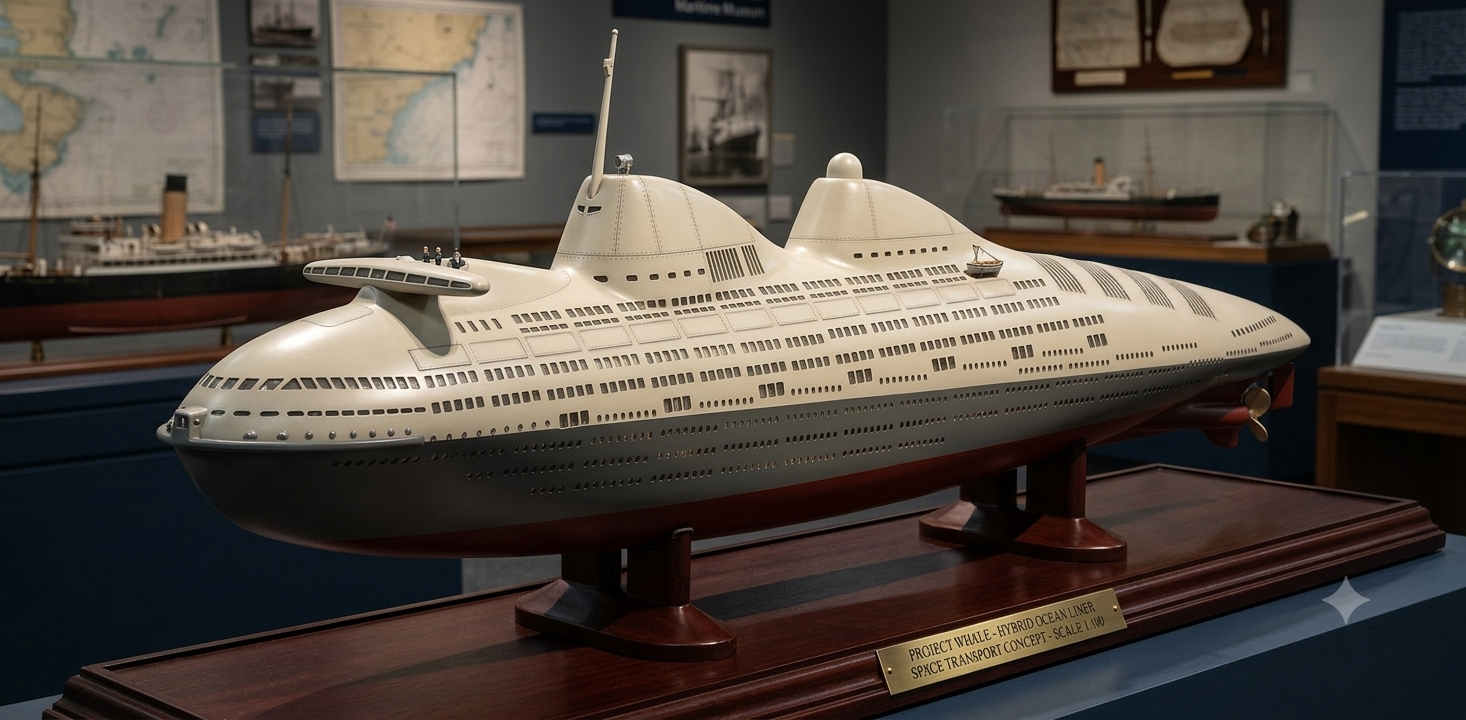
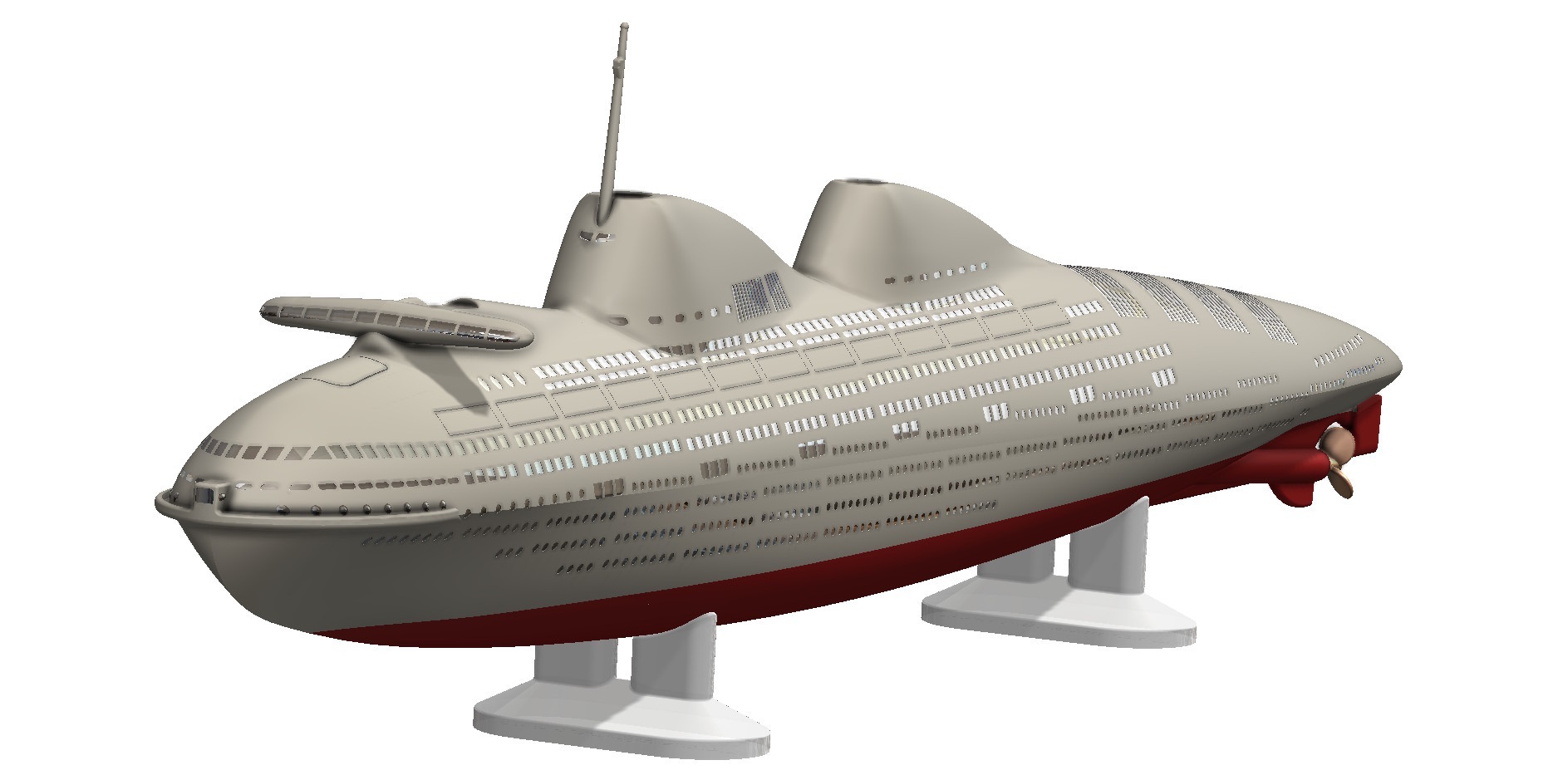
In 1932, legendary theatrical designer and industrial design pioneer Norman Bel Geddes published Horizons, a manifesto that helped define the Streamline Moderne movement. Among his most radical concepts was an aerodynamic, teardrop-shaped ocean liner affectionately dubbed the “Whale.” Designed with a smooth, completely enclosed superstructure, internal lifeboats deployed via launch chutes, and a futuristic aircraft hangar built directly into its giant twin funnels, this 1,083-foot titan was envisioned to slice through the Atlantic and shave an entire day off transatlantic crossings.
while this image is ai, the model is made by us in endtas studio.
Because the real-world ship was never built, it exists today only in historical patent blueprints, speculative illustrations, and archive records. Now, a new 3D-printable model from endtas brings this unbuilt legend onto desktop printers and into the water.
The interpretation of the design by endtas 3d models.
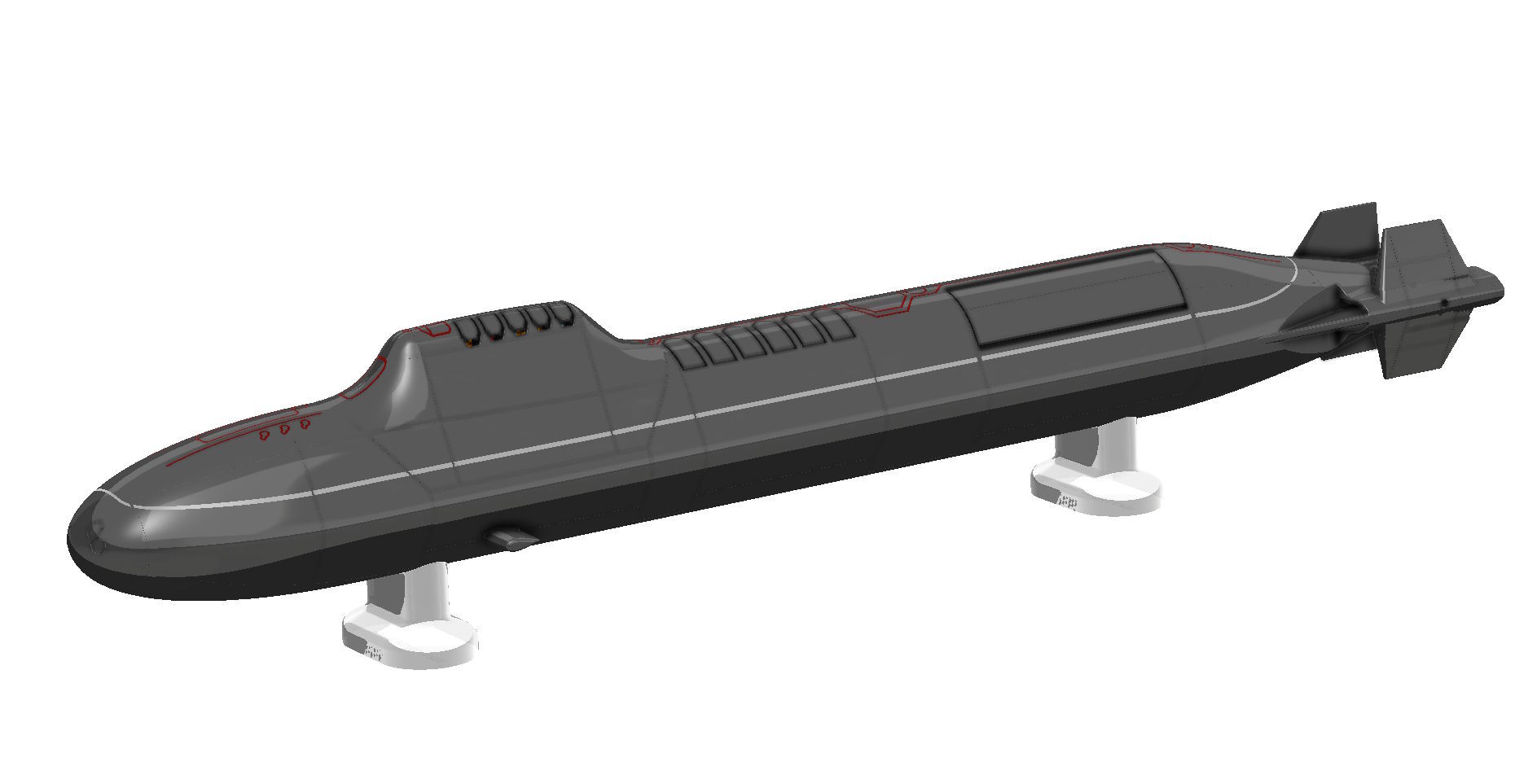
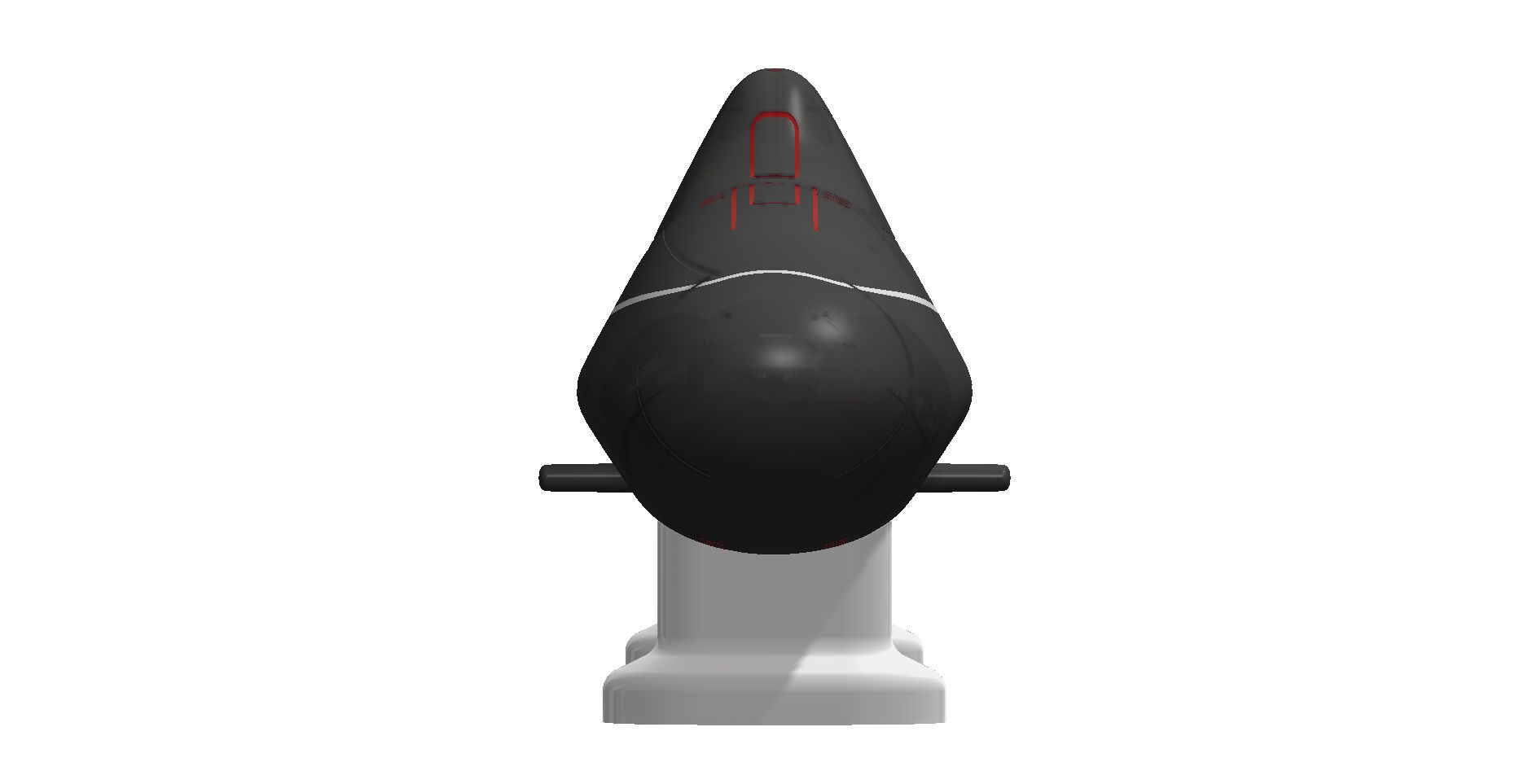
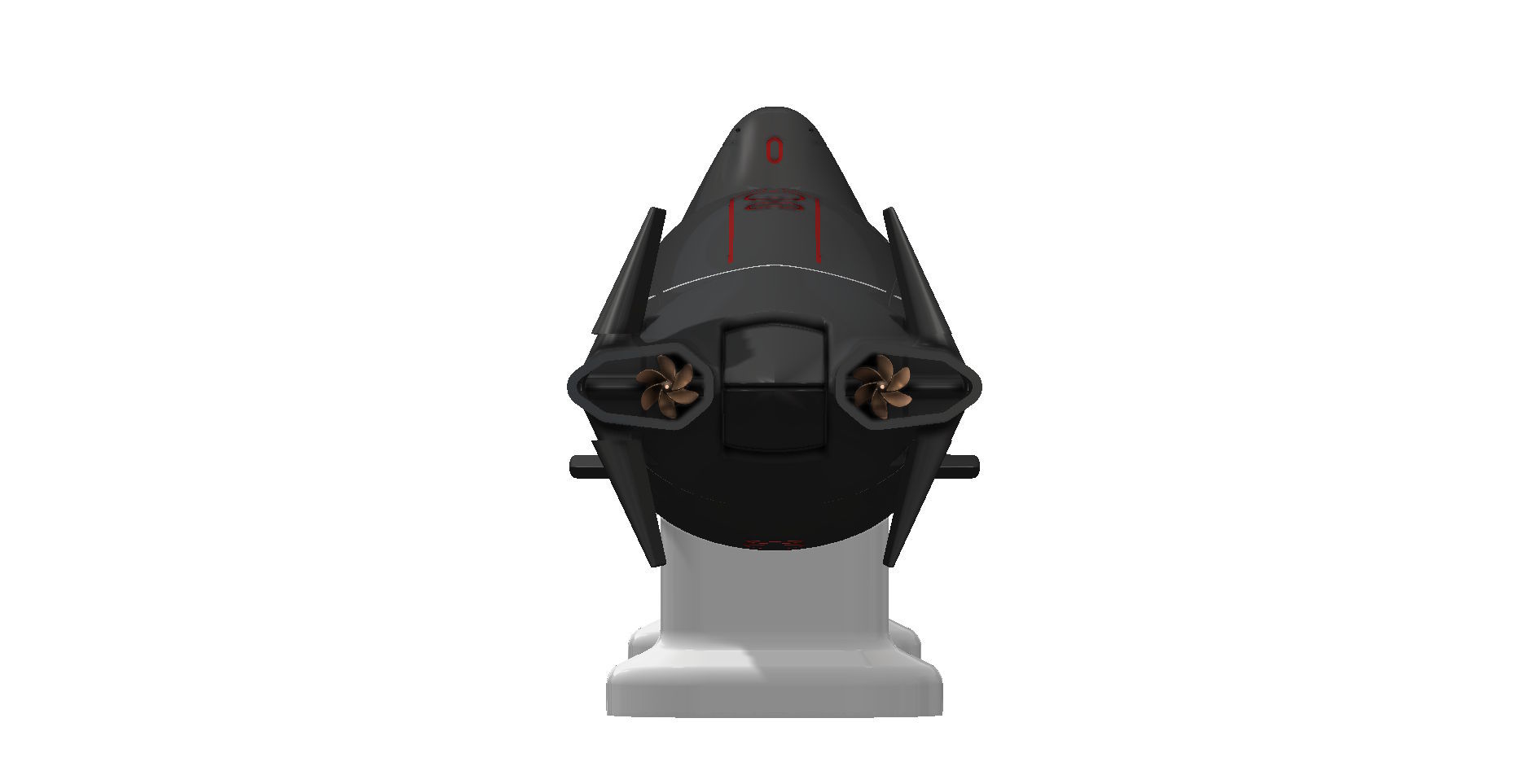
In August 2022, at the Army‑2022 defence expo, the Rubin Design Bureau unveiled a concept that looked more like a low‑observable aircraft than a traditional submarine. Named Arcturus (Арктур) after the brightest star in the northern celestial hemisphere, the design is the Russian answer to a new generation of ballistic‑missile submarines (SSBNs) that will eventually replace the Borei class. While the real vessel is still a paper project – its keel isn’t expected to be laid until the late 2030s, with operational capability projected for the 2040‑2050 timeframe – its faceted, angular hull and revolutionary propulsion system have already captured the imagination of naval analysts and hobbyists worldwide.
At EndtaS we decided to bring that future a little closer to the present. Our 75 cm Arcturus‑Class Submarine is a highly detailed, fully articulated 3‑D printable model that captures the spirit of Rubin’s concept while remaining practical for home printers. This article dives into what makes the real Arcturus special, what we’ve added to our 1 : ~200 scale replica, and how you can build it at home.